Retno Hari Mulyono
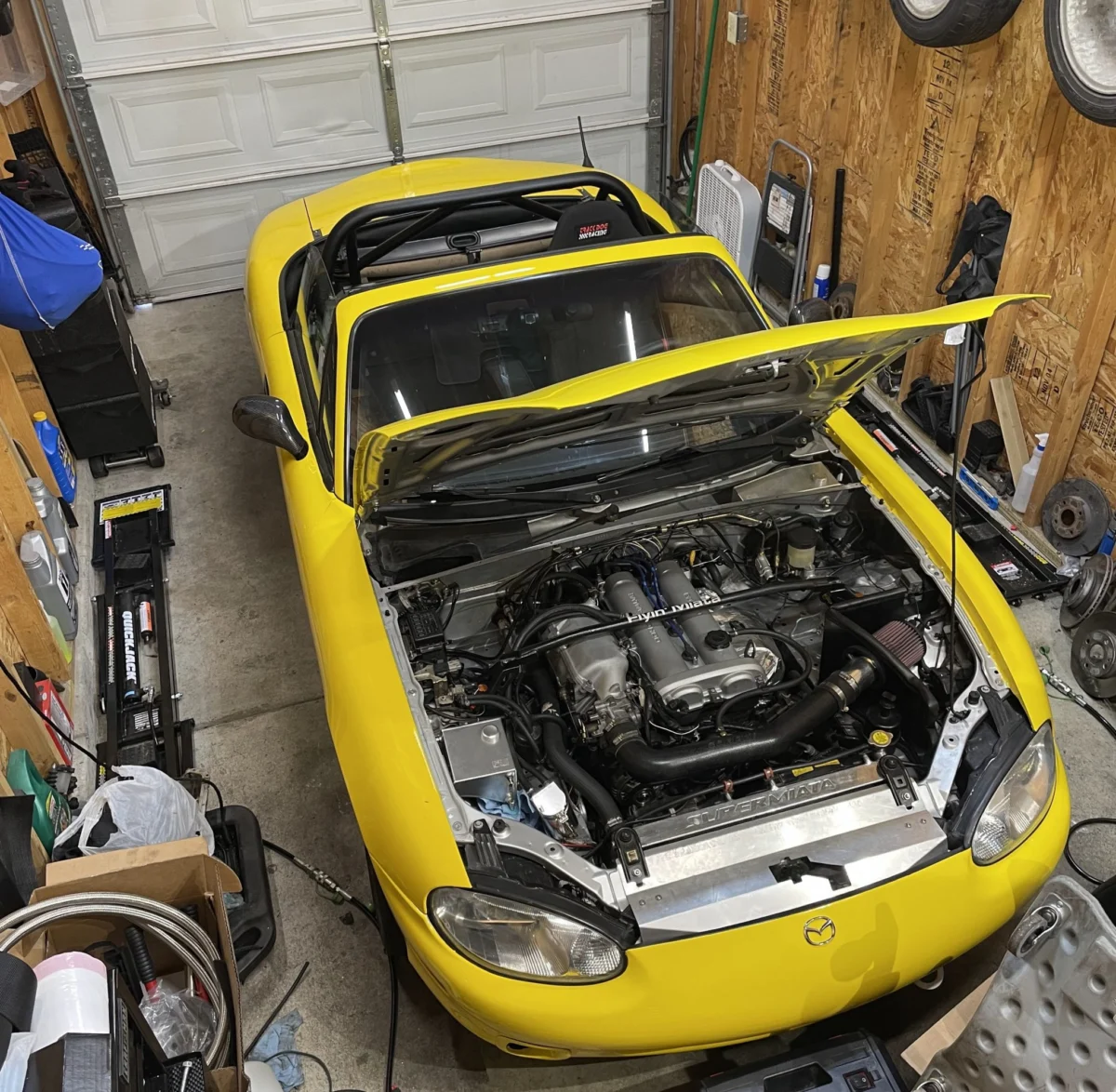
The pursuit of automotive handling perfection often requires a comprehensive approach, particularly when preparing a decades-old platform for dual-duty street and track use. For automotive enthusiasts working with vehicles of unknown maintenance heritage, a complete mechanical refresh represents both a preventative measure and a performance optimization strategy. This was the objective behind a recent extensive off-season overhaul of an enthusiast-owned Mazda NB Miata, a project that systematically targeted the vehicle’s aging underpinnings, drivetrain components, and damping systems.
Executing a holistic suspension and drivetrain restoration during the winter months allows hobbyists and semi-professional builders to mitigate downtime while thoroughly addressing rust-prone hardware and fatigued elastomeric components. The comprehensive build sheet for this specific project encompassed stiffer control arm bushings, refreshed wheel hubs and bearings, upgraded ball joints, Supermiata Xida Race coilovers, a factory Torsen limited-slip differential, and high-durometer polyurethane differential mounts. By replacing these critical systems concurrently, the vehicle effectively transitions from a factory-spec daily driver into a precision-calibrated cornering instrument.
Historical Context and Platform Evolution
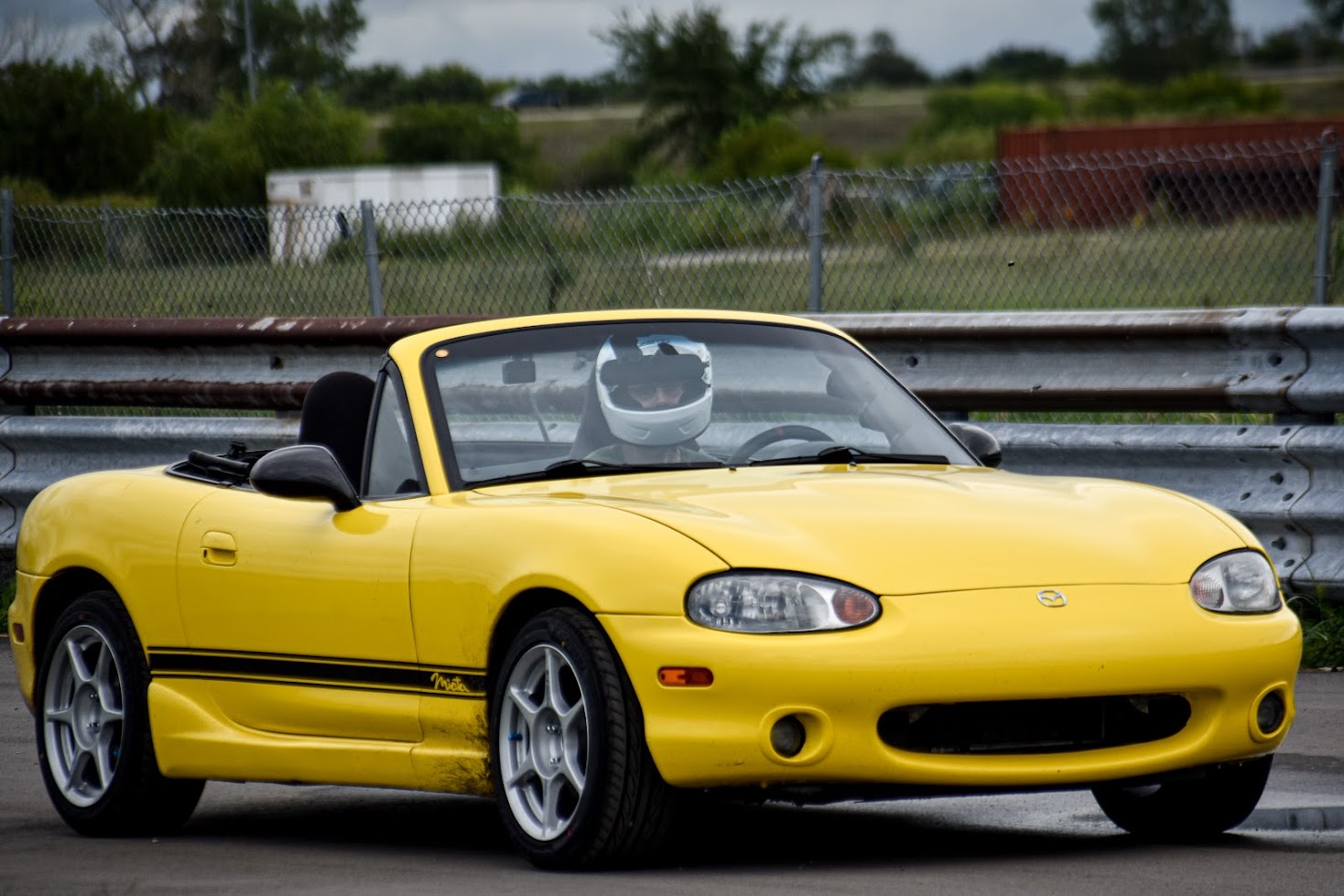
The second-generation Mazda MX-5, commonly designated as the NB chassis and produced from 1998 through 2005, remains a cornerstone of amateur motorsports, autocross, and club racing. Renowned for its lightweight architecture, balanced weight distribution, and double-wishbone suspension design, the platform provides exceptional mechanical feedback. However, vehicles originating from the late 1990s and early 2000s invariably suffer from degraded rubber bushings, worn shock absorbers, and outdated open differentials in base-trim configurations.
When acquired, the subject vehicle featured a completely stock suspension setup with components of either factory origin or unknown service history. While these original parts remained functional for basic transportation, they introduced significant compliance into the suspension geometry and a noticeably floaty ride quality at highway speeds. Furthermore, the absence of documented service records necessitated a proactive approach. Addressing these aging components collectively established a fresh baseline for the vehicle’s structural integrity and dynamic capabilities, ensuring long-term reliability under high-stress track conditions.
Chronology of the Winter Build
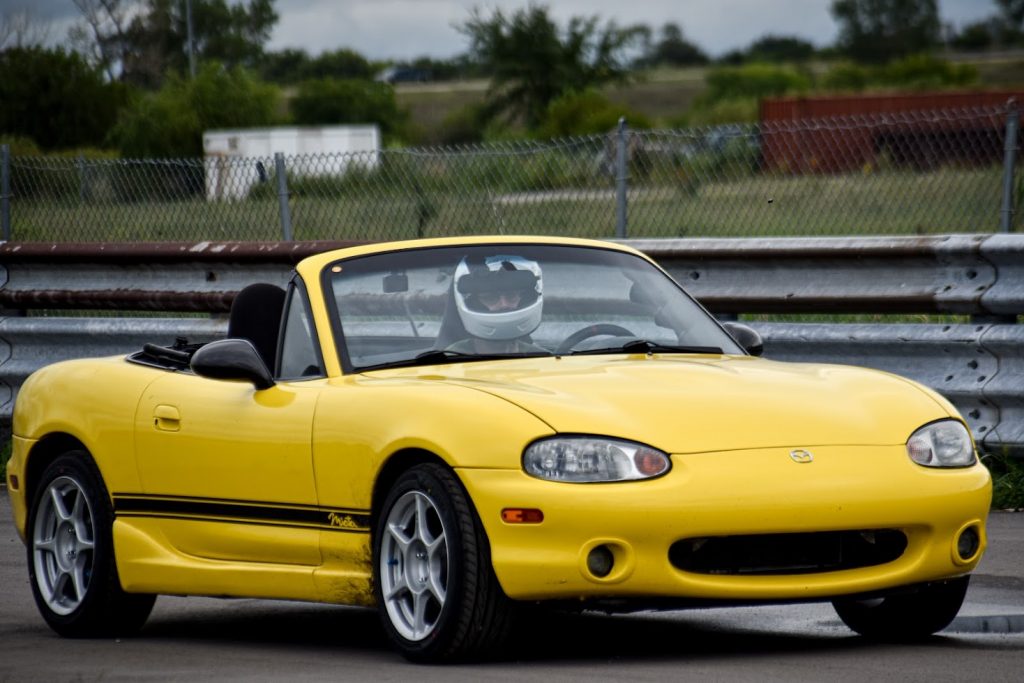
The restoration project was initiated early in the winter season to account for potential complications, such as seized fasteners, stripped threads, and oxidized hardware typical of older suspension systems. The sequential execution of the upgrade path required meticulous planning and specialized tooling.
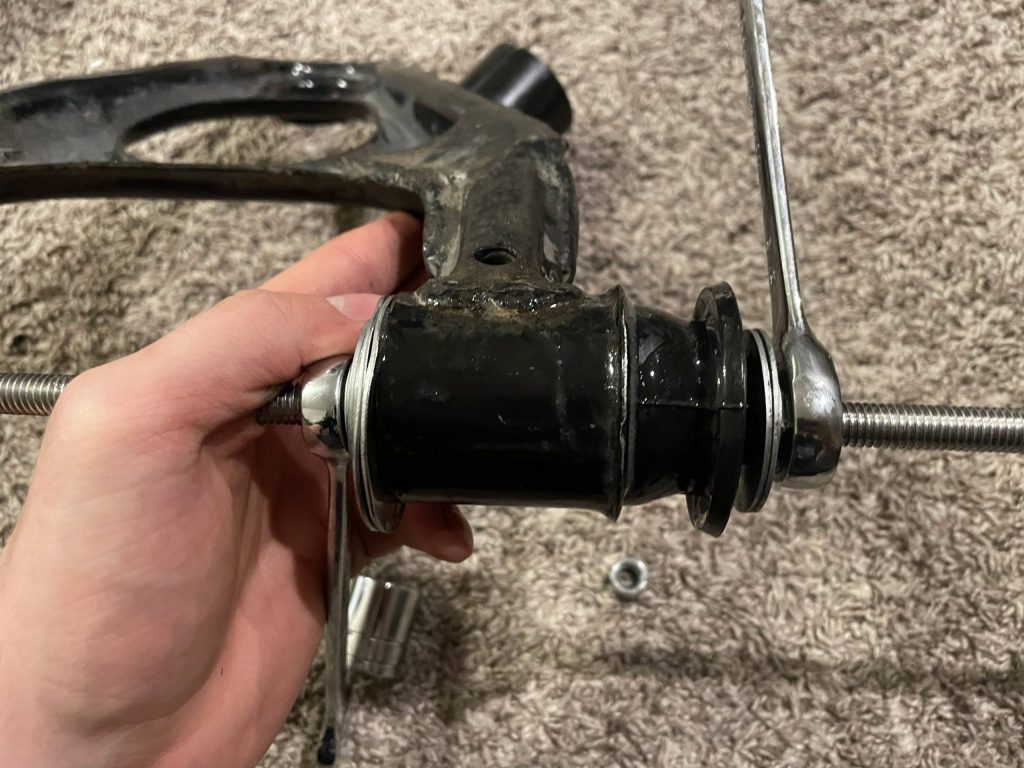
The initial phase focused on the removal and rebuilding of the front and rear control arms. To replace the factory rubber with stiffer IL Motorsports performance rubber bushings—chosen for their high longevity and maintenance-free operation compared to traditional polyurethane—the project utilized a systematic press-in method. During this process, a hydraulic press was initially misapplied to the rear upper control arms, resulting in structural bending that necessitated component replacement. Mechanics subsequently adopted a safer, threaded-rod hardware store methodology utilizing washers, nuts, and hand soap lubrication to safely press the new bushings into place without inducing metal fatigue.
Concurrently, the front-end service protocol integrated a Supermiata front-end service kit, replacing critical wear items such as outer tie rods and upper and lower ball joints. Despite the common challenge of sheared cotter pins in aged midwestern vehicles, all legacy pins were successfully extracted intact, allowing for straightforward bolt-on installation of the lower components and hydraulic pressing of the upper ball joints.
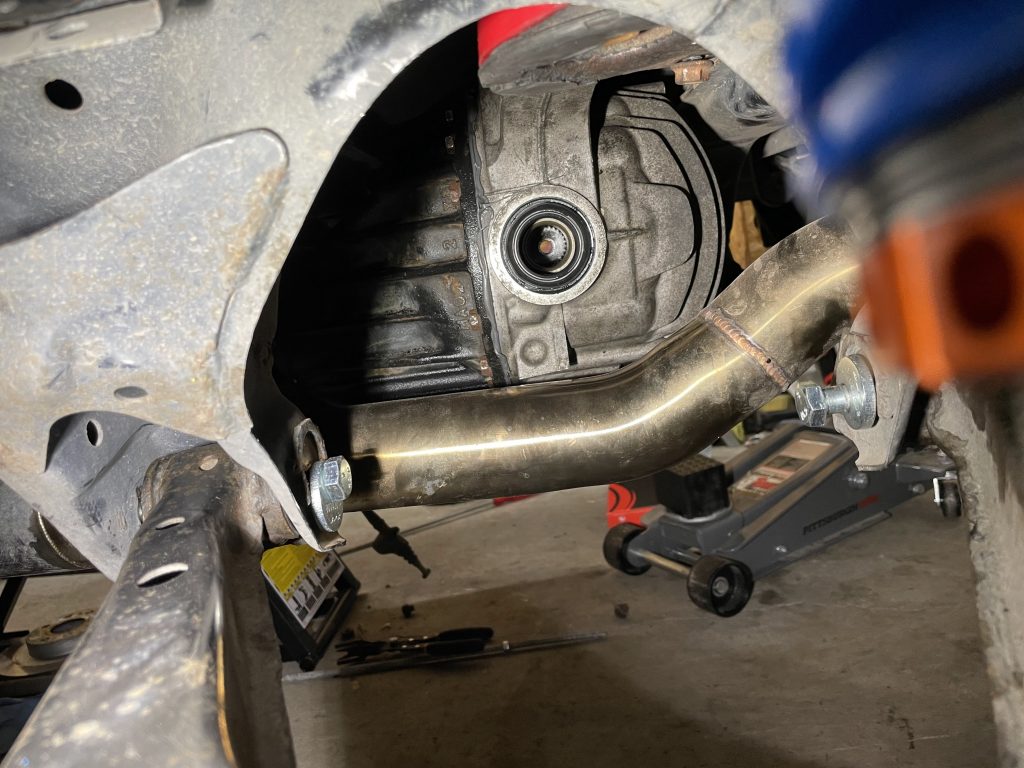
Simultaneously, the standard open differential was extracted to make way for a factory Torsen unit paired with a 4.30 final drive ratio. Securing the differential required navigating stubborn Power Plant Frame (PPF) fasteners and extracting legacy rubber differential bushings by drilling out the elastomeric material and driving out the metal sleeves using manual punches. These were replaced with stiffer polyurethane mounts to complement upgraded engine mounts and restrict drivetrain movement under acceleration.
Suspension Damping and Wheel Assembly Upgrades
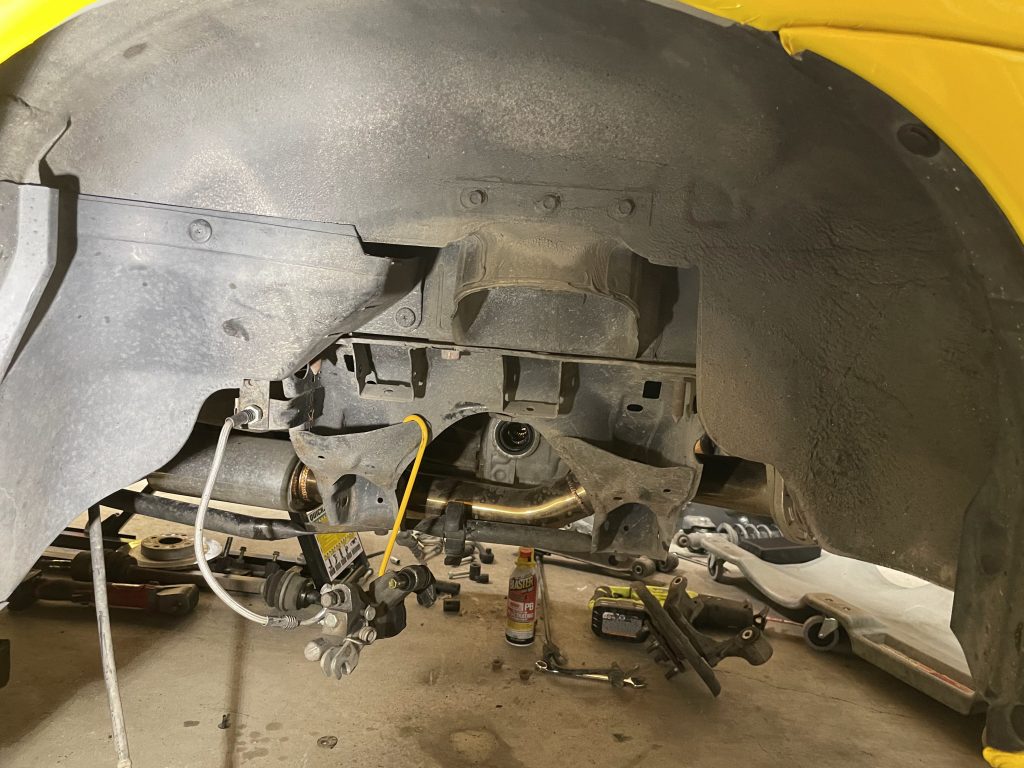
The centerpiece of the handling transformation involved the installation of Supermiata Xida Race coilovers, specified with an 800 lb/in front and 500 lb/in rear spring rate configuration alongside helper springs. The selection of these high-end dampers was driven by the necessity for a dual-purpose suspension capable of managing aggressive track sessions while maintaining composure on uneven public roadways.
Integration of the coilovers resulted in a measured ride height reduction of approximately 0.5 to 0.75 inches below factory specifications, operating near the maximum height adjustment limits of the dampers to prevent chassis scraping. To complete the corner-work refresh, standard Centric front hub assemblies with pre-installed bearings were fitted, while the rear uprights were swapped for fully rebuilt OEM knuckle, hub, and bearing assemblies sourced from Treasure Coast Miata. This modular swap strategy minimized installation complexity and ensured zero play in high-stress wheel-bearing assemblies.
Technical Analysis and Performance Implications
Evaluating the quantitative and qualitative impacts of a comprehensive suspension refresh reveals distinct tiers of functional improvement. Modifications such as the IL Motorsports control arm bushings, replacement wheel hubs, and fresh ball joints yielded minimal subjective changes in daily driving feedback. Because the original factory components were not catastrophically failed, these updates primarily served a preventative function, re-establishing factory tolerances and ensuring predictable structural behavior under heavy lateral loads.
Conversely, the drivetrain and damping modifications produced immediate, profound enhancements to vehicle dynamics. The adoption of the Torsen limited-slip differential fundamentally altered power delivery, eliminating single-wheel spin and providing immediate traction enhancement during aggressive corner exit maneuvers. The polyurethane differential bushings effectively suppressed excessive powertrain pitch, contributing to a more cohesive mechanical connection between the driver and the rear wheels.
The most dramatic transformation stemmed from the Supermiata Xida Race coilovers. On public thoroughfares, the high-rate dampers successfully eliminated the unsettling, floaty high-speed oscillations characteristic of worn stock shocks. Body roll during cornering was substantially curtailed, maintaining a flat, confidence-inspiring chassis attitude without compromising the independent articulation of the double-wishbone geometry. Furthermore, the retention of factory front and rear sway bars proved to be a measured design choice; by relying on spring rate alone to control roll, the vehicle preserved its predictable, neutral-to-slight-understeer handling balance while avoiding the harsh ride quality often introduced by oversized anti-roll bars.
Broader Industry Context and Future Outlook
The methodology utilized in this NB Miata restoration reflects broader trends within the amateur motorsport community. As clean, unmodified examples of 1990s sports cars appreciate in value, preventative restoration has transitioned from a niche hobbyist activity into a methodical engineering exercise. Enthusiasts increasingly prioritize integrated suspension kits—such as matched coilover and bushing packages—over piecemeal upgrades to preserve chassis harmony.
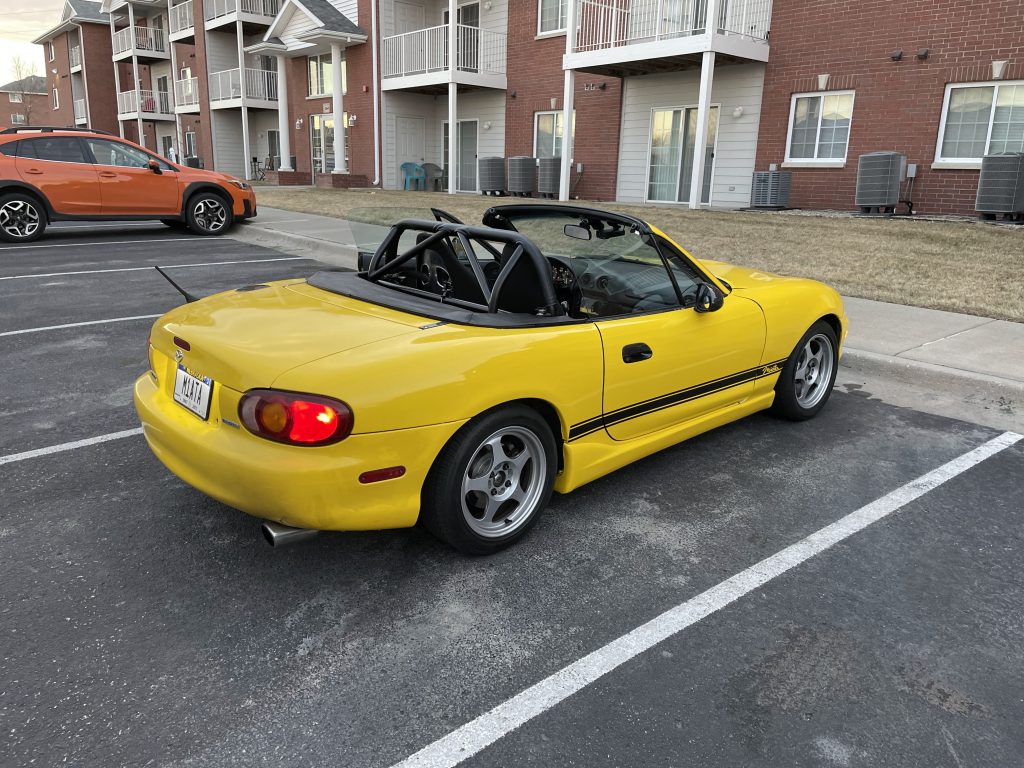
With the core mechanical refresh successfully completed during the winter downtime, the vehicle stands prepared for upcoming competitive events, including track days and autocross competitions. The systematic elimination of wear items, paired with state-of-the-art damping technology and limited-slip traction, establishes a definitive benchmark for how vintage lightweight sports cars can be modernized for contemporary performance standards without sacrificing street usability. Future developmental phases for the platform will likely monitor thermal management and alignment specifications as the vehicle undergoes rigorous validation in a competitive environment.