Retno Hari Mulyono
The automotive enthusiast landscape is populated by numerous vehicles engineered for straight-line speed, heavy luxury, and advanced digital integration. Yet, a dedicated subset of drivers continues to gravitate toward lightweight, analog platforms that prioritize handling dynamics and mechanical feedback over raw horsepower. Among these, the second-generation Mazda MX-5 (known commonly as the NB Miata, produced from 1998 through 2005) remains a cornerstone of affordable sports car culture. Analyzing a twelve-month ownership lifecycle of a 2000 model year NB Miata provides a comprehensive look at the realities of acquiring, maintaining, modifying, and tracking a modern classic sports car in the contemporary automotive environment.
Main Facts and Vehicle Acquisition
The subject of this twelve-month case study is a 2000 Mazda MX-5 Miata, powered by the BP4W 1.8-liter dual-overhead-cam inline-four engine. Acquired on March 19, 2021, the vehicle represented an unadulterated entry point into rear-wheel-drive sports car ownership. Factory specifications for the year 2000 NB generation include a naturally aspirated power plant producing approximately 140 horsepower and 125 lb-ft of torque, coupled with a five-speed manual transmission and a lightweight chassis tipping the scales at just over 2,300 pounds.
From an engineering perspective, the appeal of the NB Miata lies in its balance. While modern performance vehicles often exceed 3,500 pounds and rely heavily on electronic stability control and forced induction, the NB platform offers a direct mechanical connection to the road. Its double-wishbone suspension design front and rear provides exceptional geometric stability during cornering, making it an ideal canvas for both street driving and motorsports participation. Furthermore, vehicles from this era strike a balance in the automotive timeline: they retain the raw, analog feedback absent in contemporary vehicles, yet bypass the severe parts-availability and reliability hurdles associated with truly vintage automobiles.
Chronological Timeline of Ownership
The twelve-month ownership timeline was characterized by a structured progression from baseline restoration to cosmetic personalization and, ultimately, high-performance track preparation.
Phase I: Baseline Maintenance and Mechanical Refresh (Spring 2021)
Immediately following the acquisition in March 2021, the vehicle lacked a comprehensive documented service history. Recognizing the vulnerability of aging rubber components, fluids, and ignition systems, the owner initiated a rigorous preventative maintenance schedule in April 2021. Although the 1.8-liter BP4W is traditionally classified as a non-interference engine—meaning catastrophic valve-to-piston contact is generally avoided should the timing belt fail—preventative replacement of the timing belt, water pump, drive belts, and all vital fluids was executed to eliminate roadside failures. The primary objective during this initial phase was establishing a known, reliable mechanical baseline prior to subjecting the vehicle to high-stress competitive environments such as autocross and track days.
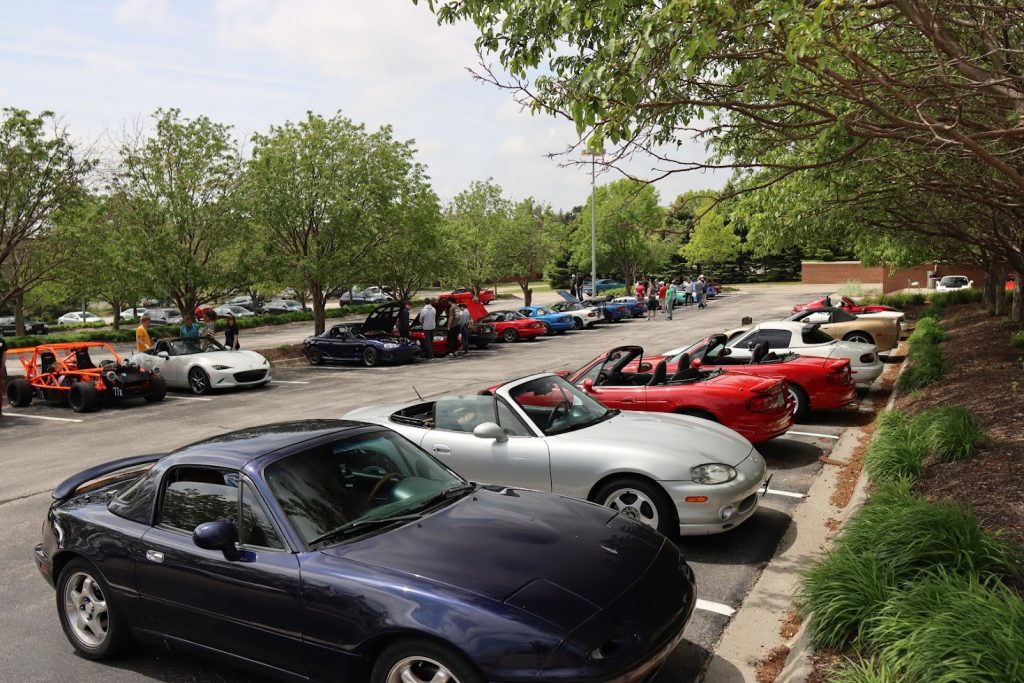
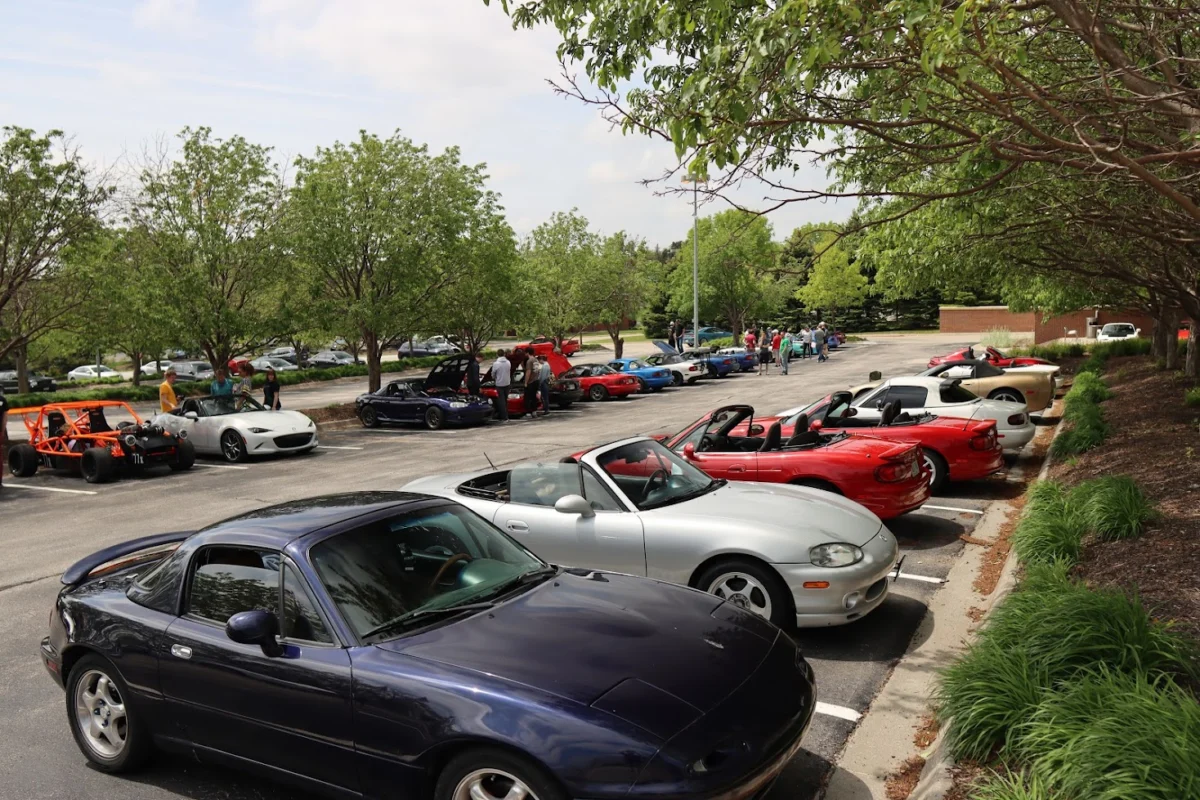
By May 2021, the vehicle was integrated into the local automotive community through attendance at regional Mazda MX-5 enthusiasts’ gatherings. These events highlighted the immense versatility of the platform, showcasing examples ranging from completely stock daily drivers to heavily modified forced-induction variants and V8-swapped track specials.
Phase II: Performance Modifications and Aesthetic Transformations (Summer 2021)
As the summer months progressed, mechanical focus shifted toward optimizing exhaust scavenging and acoustic feedback. In June 2021, the factory exhaust system—plagued by degraded catalytic converter codes and corroded fasteners—was completely removed. An aftermarket performance configuration was installed, featuring a Raceland exhaust header, a Cobalt midpipe, and a Racing Beat Power Pulse muffler. While this upgrade successfully achieved the target exhaust note—balancing urban civility with aggressive high-RPM tones—it underscored the complexities of modifying OBD-II compliant vehicles, occasionally triggering secondary emission-related diagnostic trouble codes due to disconnected exhaust gas recirculation (EGR) components.
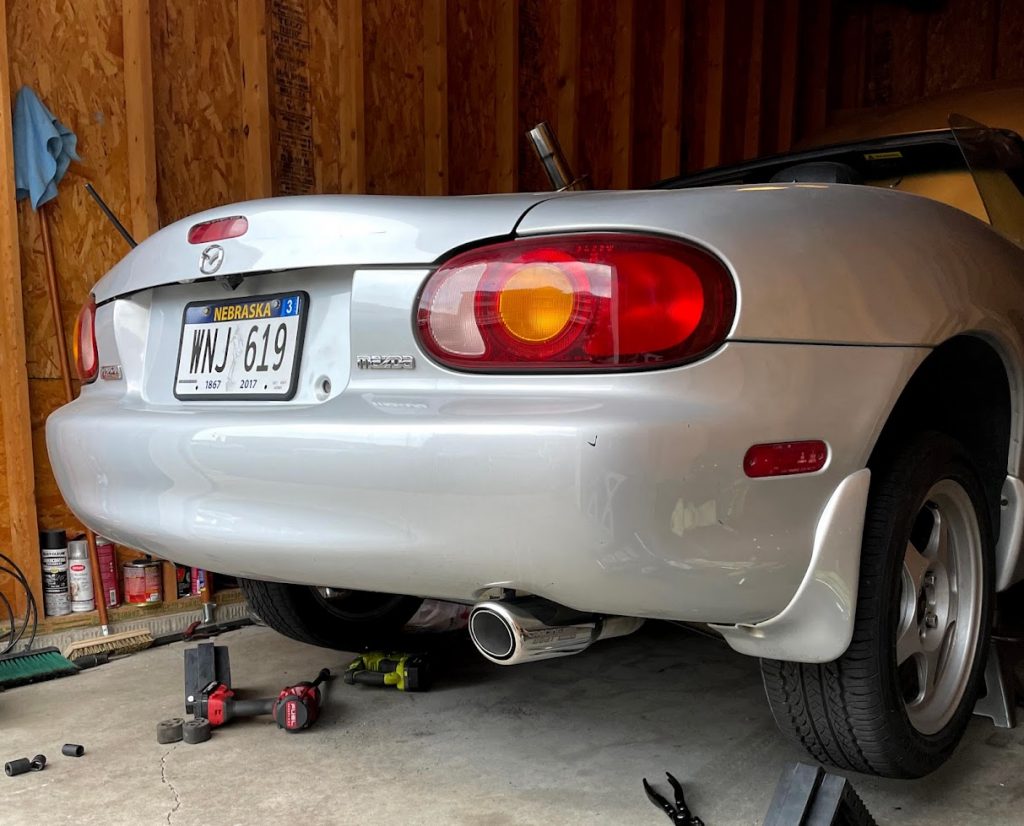
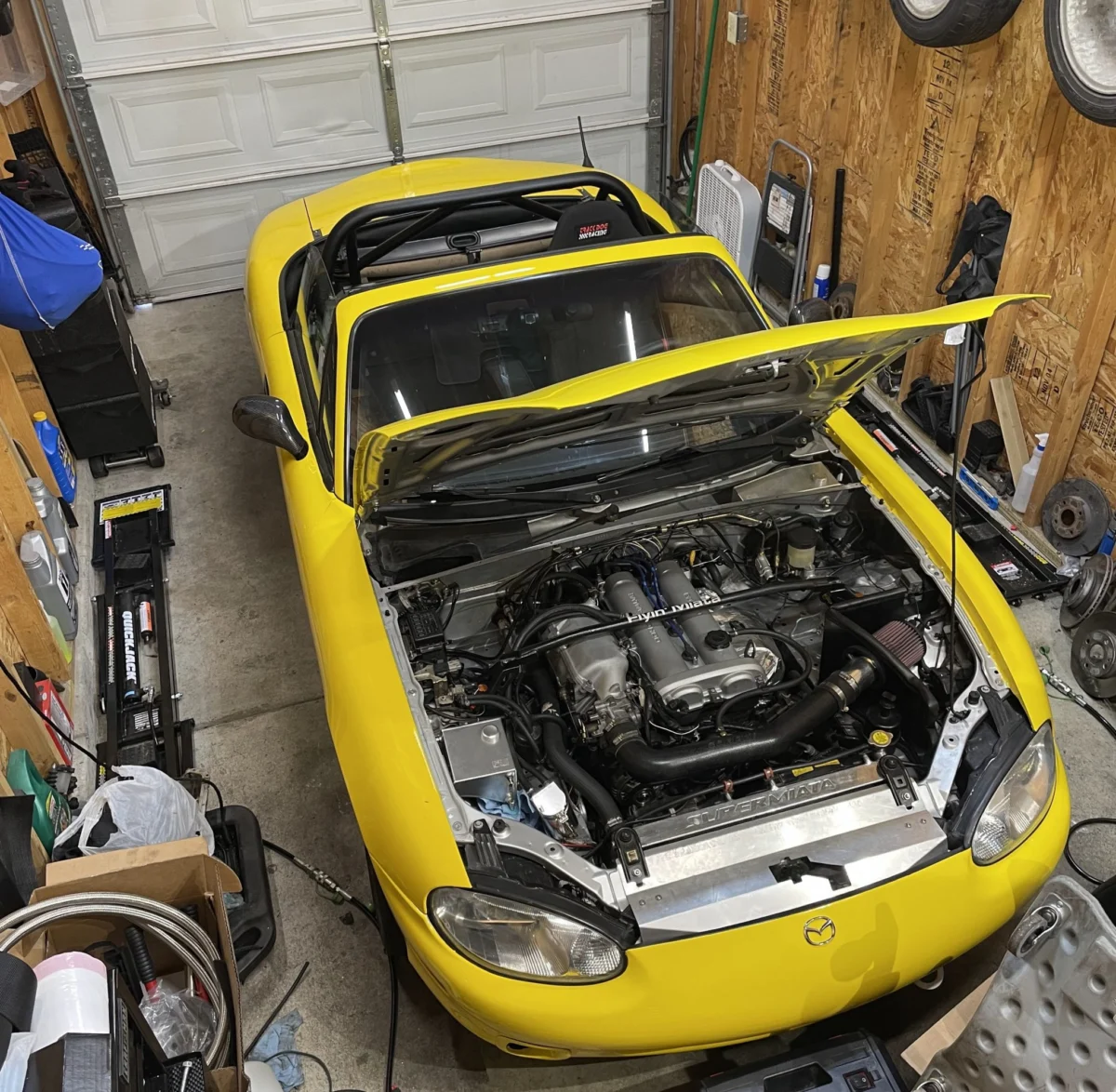
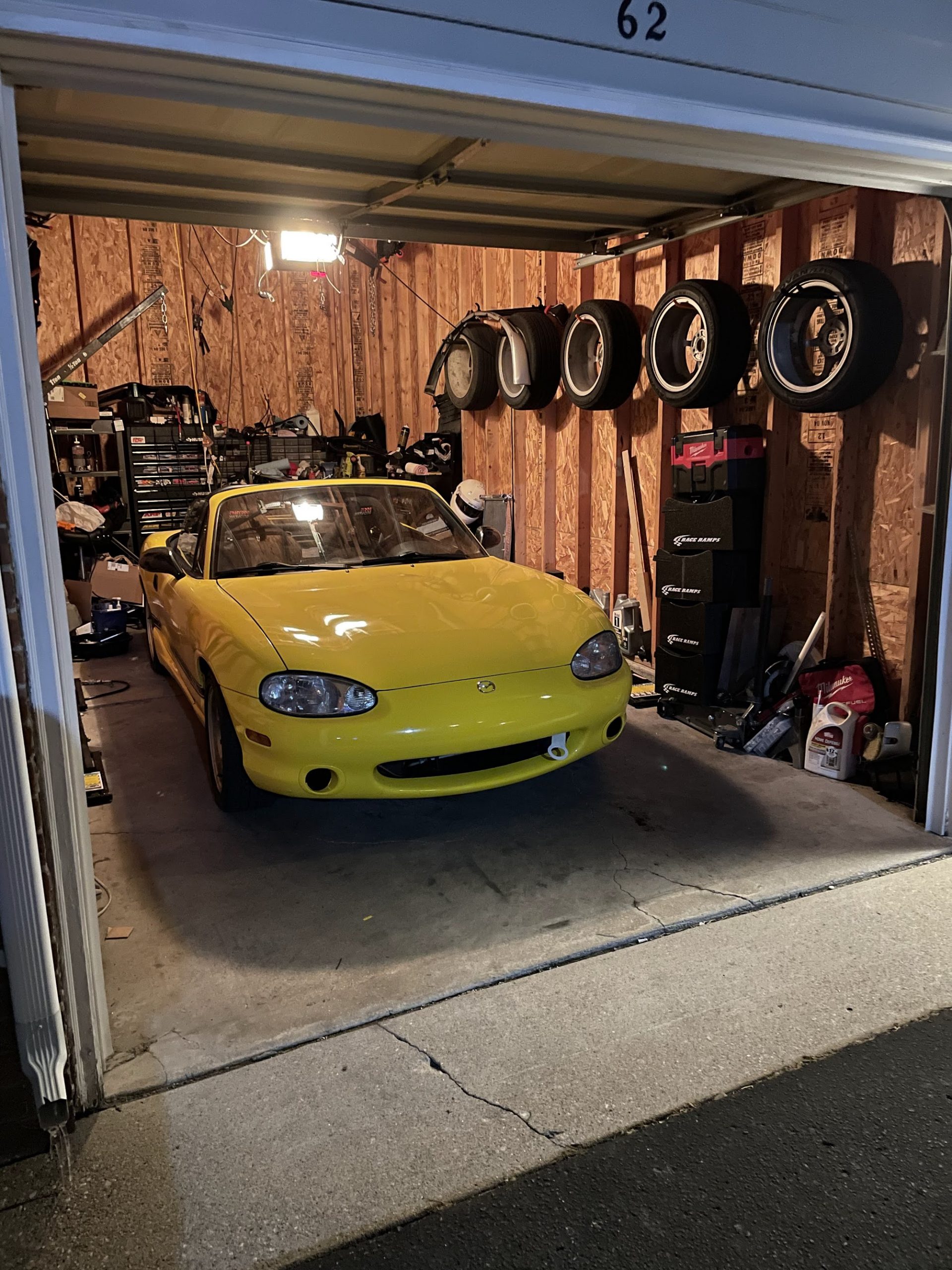
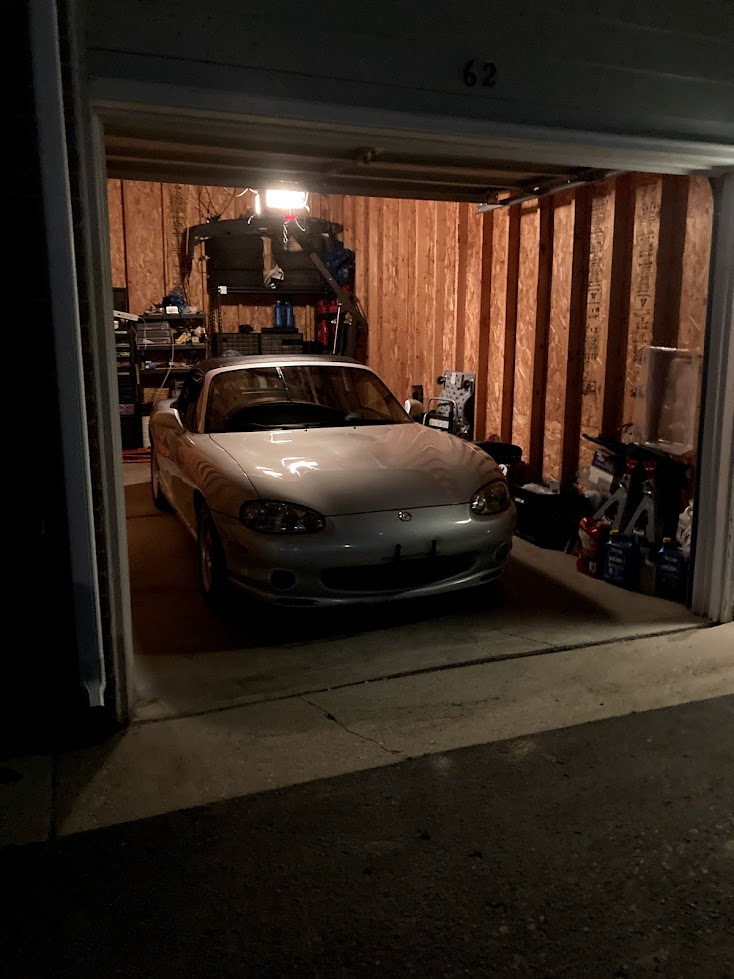
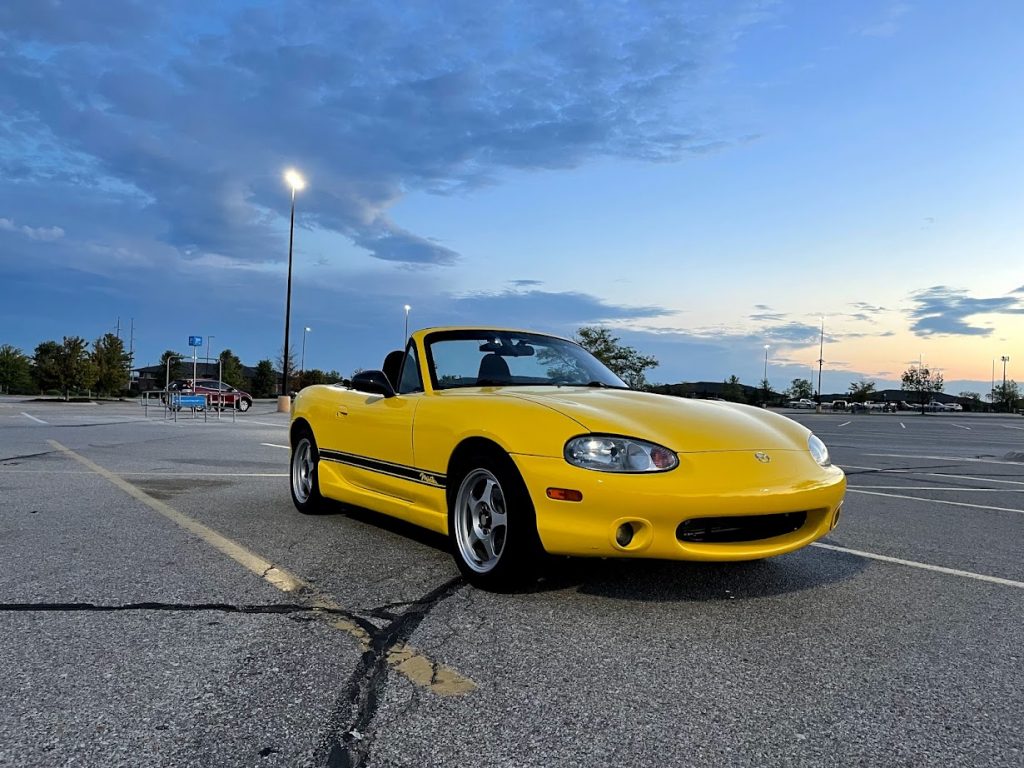
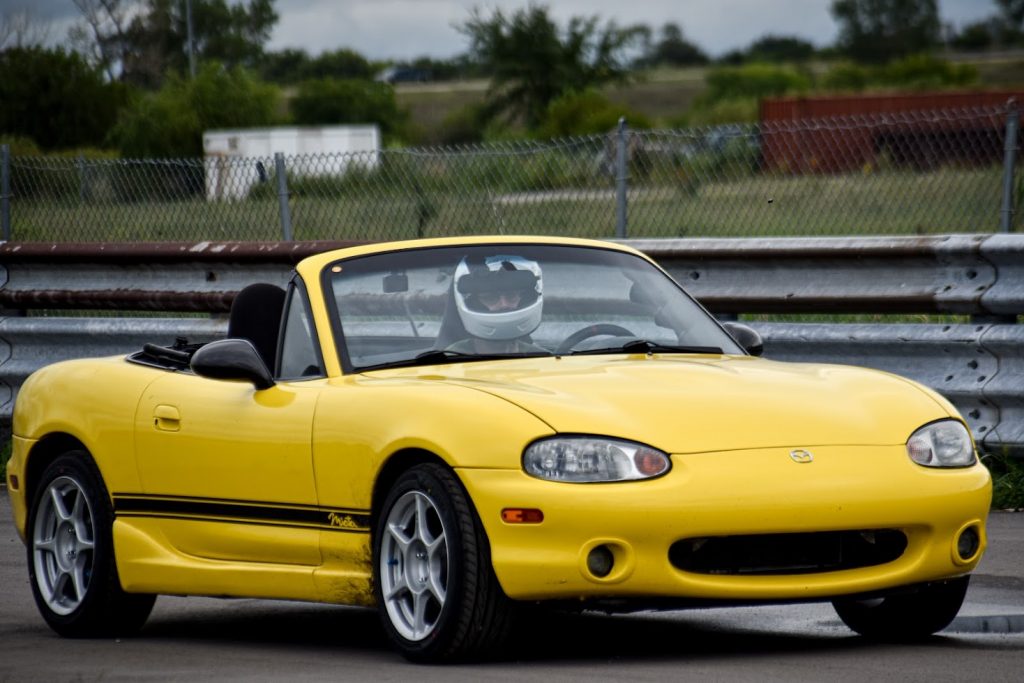
July and August 2021 marked a significant visual transformation. Addressing minor cosmetic wear, including a dented front driver-side fender which was replaced and prepped with a utilitarian finish, the vehicle underwent a comprehensive color change via a professional vinyl wrap, transitioning from its original factory silver to a striking high-visibility yellow. Within the enthusiast community, vibrant hues are frequently favored for safety and visibility during competitive motorsport events.
Phase III: Motorsports Integration and Safety Upgrades (Fall 2021)
With the mechanical systems sound and the aesthetics refreshed, the vehicle entered its intended operational theater: competitive driving. In September 2021, the Miata debuted at a high-performance driver education (HPDE) track day hosted at the Raceway Park of the Midlands. This initial on-track evaluation provided critical data regarding tire wear, braking threshold, and chassis dynamics under sustained thermal and lateral loads.
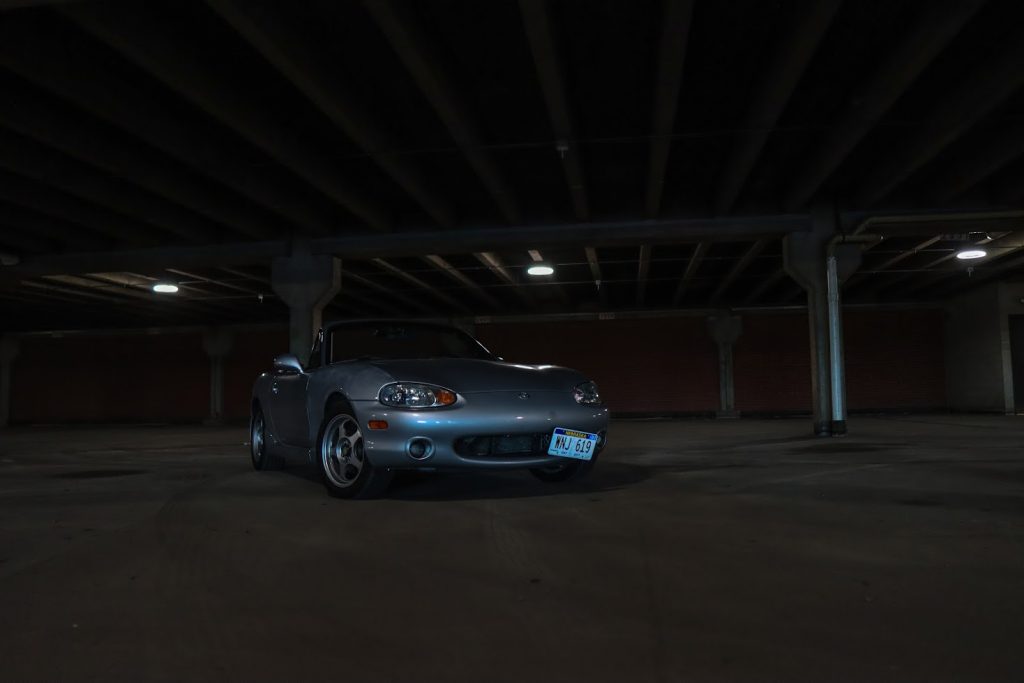
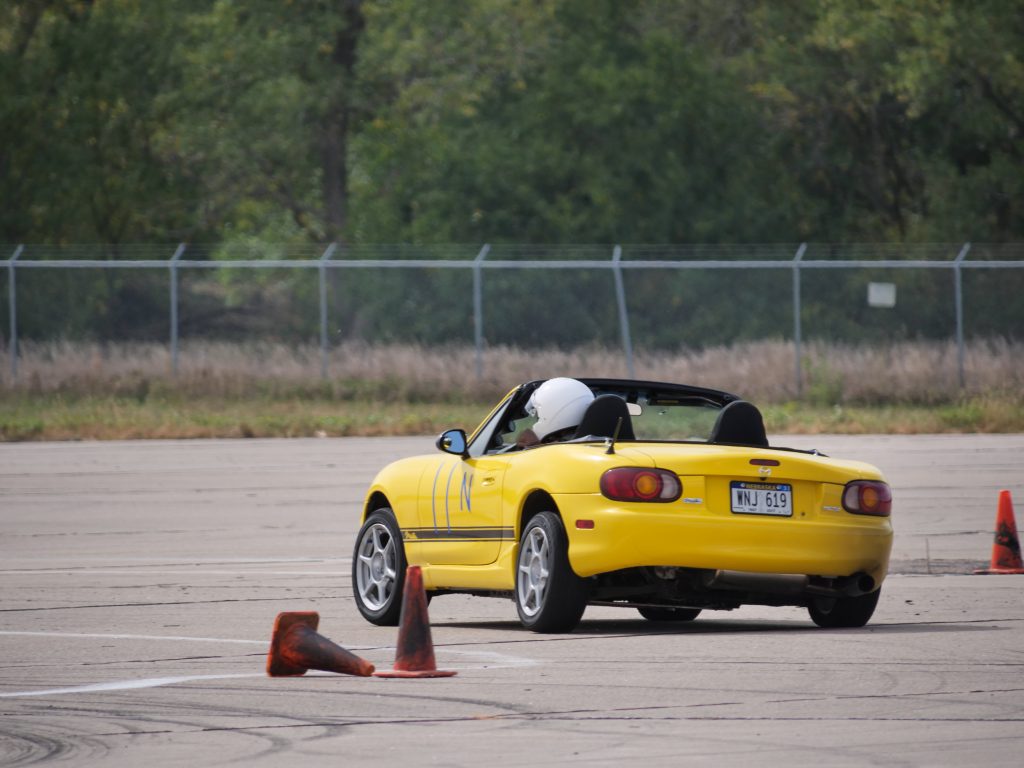
Following the track debut, the vehicle participated in regional autocross events throughout October 2021. Autocross provided a lower-cost, lower-speed technical environment to refine vehicle control inputs and understand suspension behavior in tight transition zones.
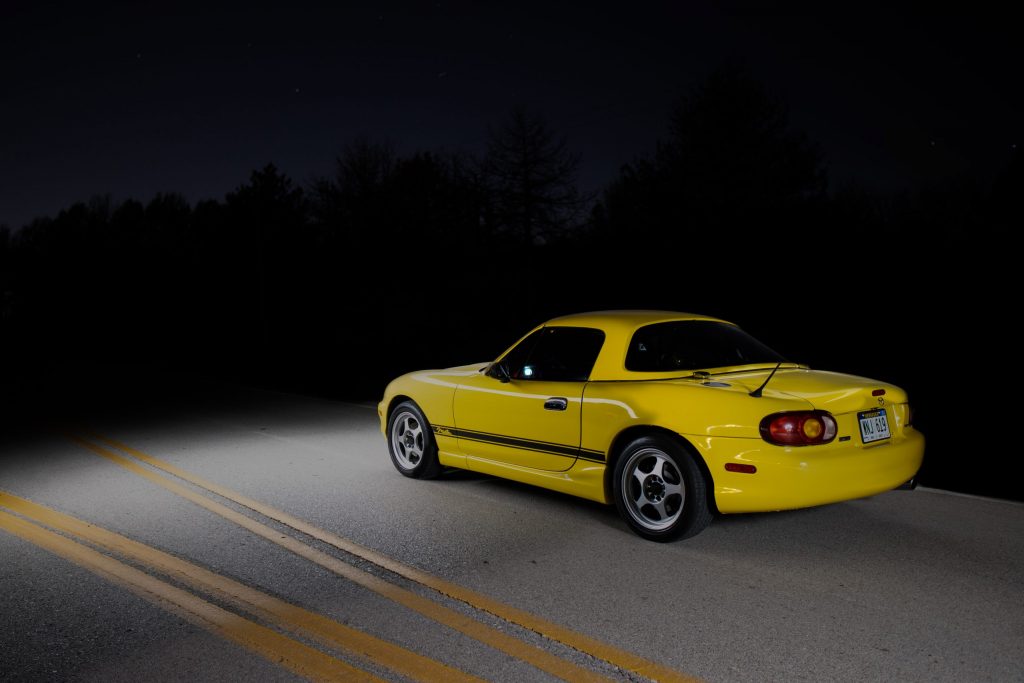
As ambient temperatures dropped in November 2021, preparations for seasonal storage began. Due to the aggressive application of chemical de-icing agents and road salt on Midwestern roadways during winter months—and acknowledging the susceptibility of second-generation Miatas to rocker panel and frame rail corrosion—the vehicle was retired from daily winter service. Prior to storage, a factory hardtop was fitted, fundamentally altering the cabin acoustics, chassis rigidity, and exterior profile of the roadster.
Phase IV: Winter Engineering and Advanced Preparation (Winter 2021–2022)
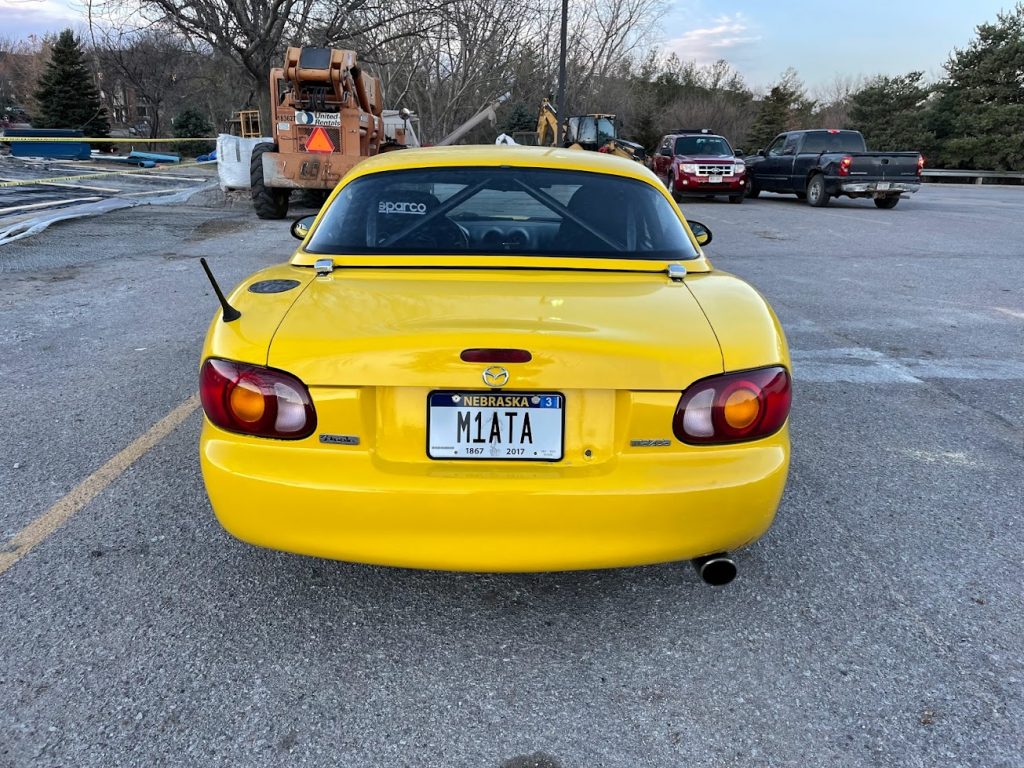
Rather than remaining dormant, the winter months of December 2021 and January 2022 served as an intensive engineering window. In December, the suspension system underwent a comprehensive overhaul, replacing aging bushings and dampers with upgraded performance hardware. Vanity registration plates reading "M1ATA" were acquired, cementing the vehicle’s identity.
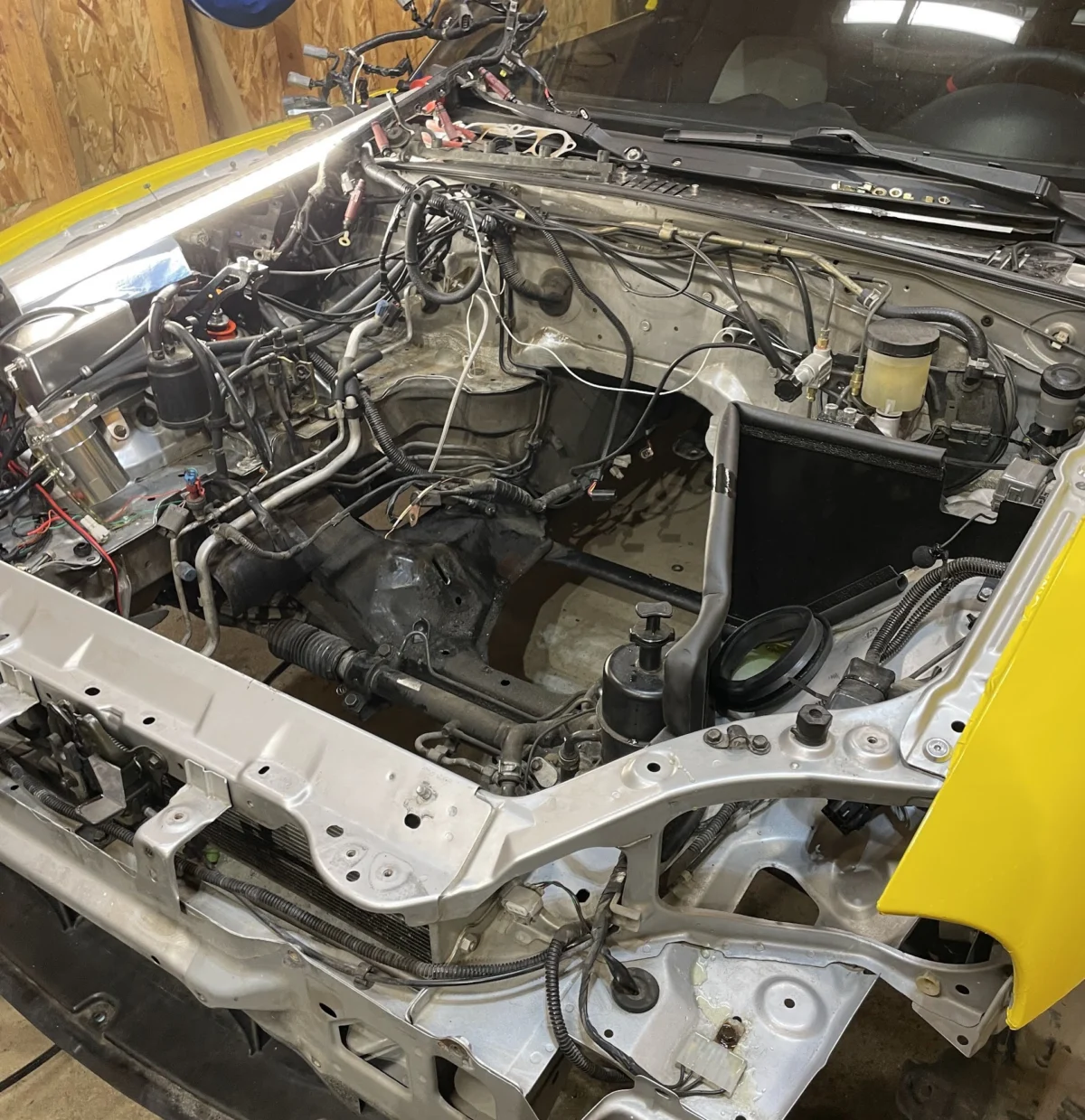
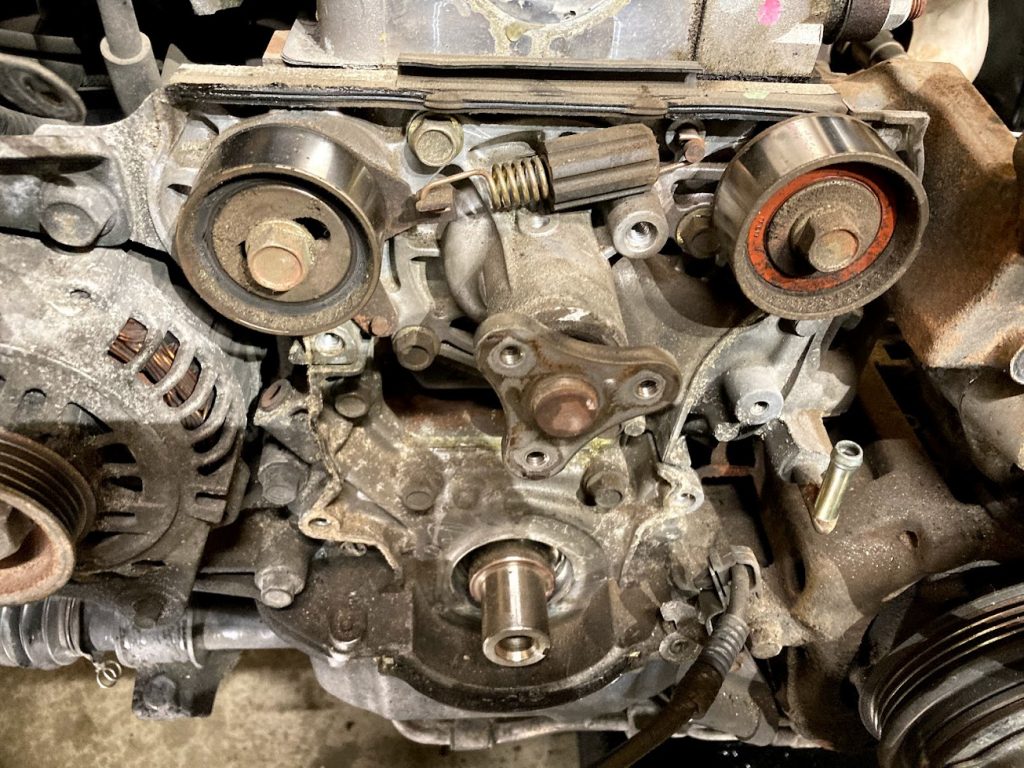
In January 2022, the project escalated significantly with the complete removal of the engine assembly. Out-of-vehicle maintenance addressed persistent mechanical vulnerabilities typical of high-mileage BP engines: a weeping rear main seal, a stripped oil pan drain plug, and inaccessible coolant hoses located beneath the intake manifold. During this engine-out procedure, a coolant reroute kit was installed. In factory configurations, the rear of the Miata cylinder head receives minimal coolant flow compared to the front, leading to localized thermal hot spots; a coolant reroute redirects coolant from the rear of the head directly to the radiator, ensuring uniform thermal management under heavy track conditions.
By February 2022, attention turned to driver safety and precise chassis geometry ahead of the upcoming motorsport season. Recognizing the stringent safety standards enforced by track-day organizations, the interior was upgraded with competition-spec safety equipment. Track Dog Racing UltraShield Rally Sport fixed-back bucket seats were installed alongside six-point racing harnesses, a securely mounted onboard fire extinguisher, and a HANS (Head and Neck Support) restraint system. Furthermore, driver accommodation was adjusted to ensure compliance with the standard "broomstick test"—ensuring the driver’s helmeted head remains below a theoretical line drawn between the top of the windshield frame and the main roll hoop.
Concurrently, a comprehensive custom wheel alignment was executed. Opting for a meticulous do-it-yourself (DIY) string and camber-gauge alignment method rather than outsourcing to a commercial tire shop, the owner calibrated aggressive negative camber and optimal toe settings to maximize front-end bite and mid-corner stability during high-speed lateral loading.
Supporting Data and Market Context
The trajectory of this 2000 Mazda Miata reflects broader economic and automotive trends surrounding the MX-5 market. Over the past decade, first-generation (NA) and second-generation (NB) Miatas have transitioned from depreciated commuter cars into sought-after enthusiast commodities. Market analysis indicates that clean, rust-free NB models have steadily appreciated, driven by rising costs of new performance vehicles and an increasing consumer desire for tactile, analog driving experiences.
From a technical standpoint, the modifications undertaken—exhaust upgrades, suspension tuning, thermal management modifications, and dedicated safety equipment—represent the textbook progression for an entry-level track preparation build. Data gathered from motorsport sanctioning bodies indicates that the MX-5 remains the most commonly raced car in North America, supported by a robust aftermarket supply chain that ensures parts availability and competitive pricing for consumables such as brake pads, tires, and suspension components.
Broader Impact and Implications
The documented twelve-month evolution of this NB Miata underscores the viability of utilizing an affordable, older sports car as a dual-purpose street and track machine. By systematically addressing baseline maintenance, reinforcing thermal and structural weak points, and prioritizing driver safety equipment, the owner successfully transformed a standard commuter roadster into a capable, track-ready machine without incurring the prohibitive purchase and maintenance costs associated with modern exotic or high-performance production vehicles.
As automotive manufacturing trends increasingly lean toward electrification, automated driver-assistance systems, and heavy curb weights, enthusiast engagement with platforms like the Mazda MX-5 NB highlights the enduring value of mechanical simplicity, light weight, and driver-centric engineering. This one-year retrospective serves as a case study in practical automotive stewardship, demonstrating that meaningful performance engagement is accessible to enthusiasts willing to invest time, mechanical labor, and thoughtful planning into a well-engineered foundation.