Cecilia Chamidah Nur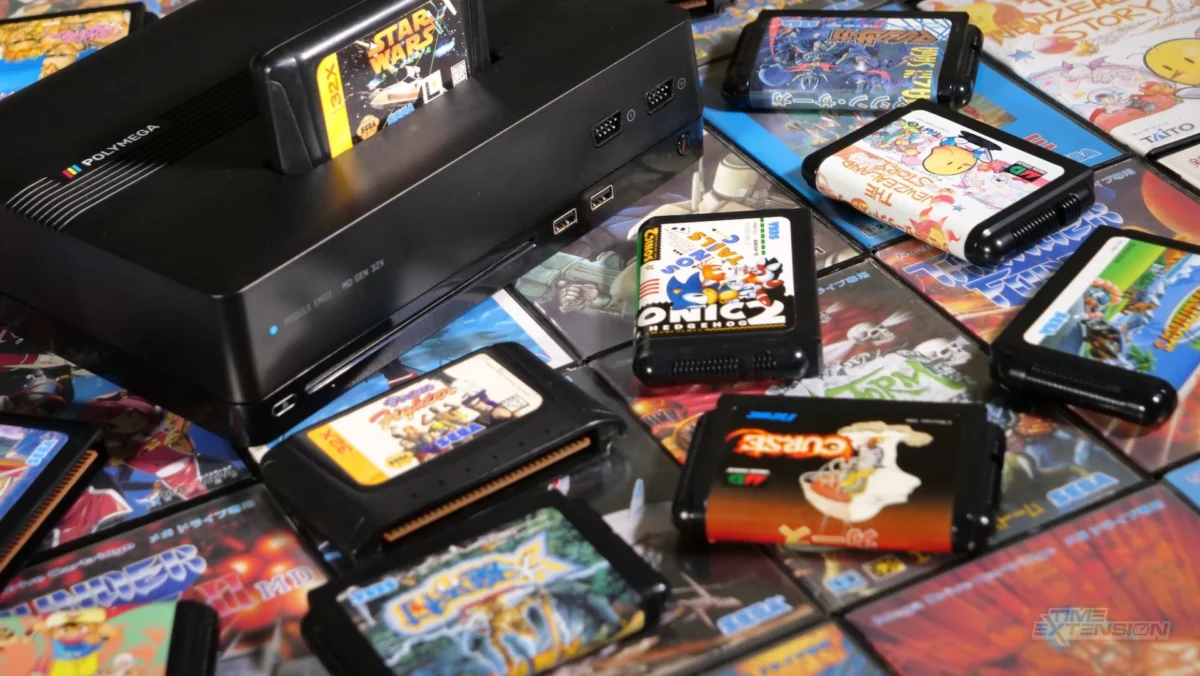
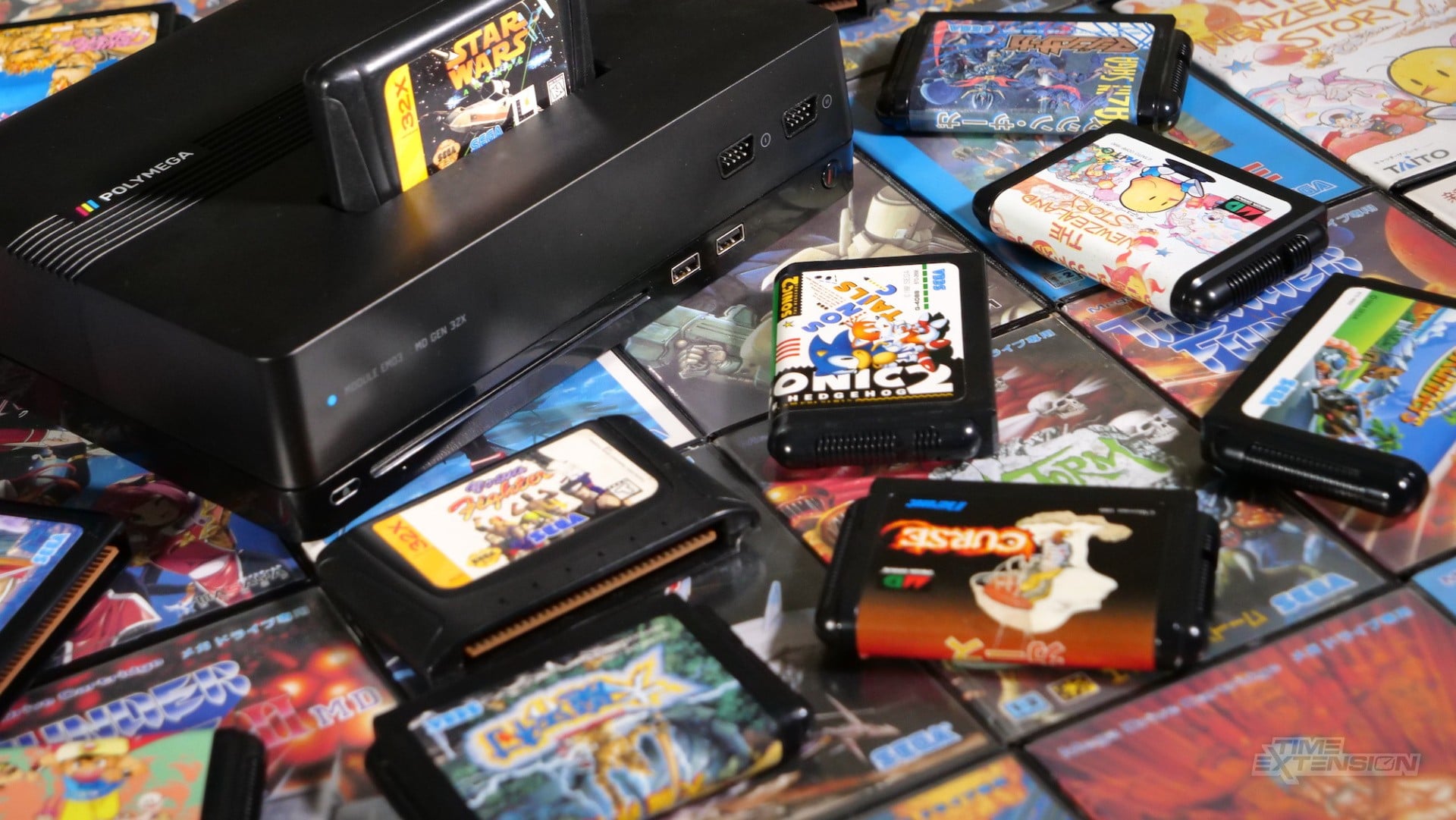
The modular retro gaming landscape faces a significant shift this month as Playmaji, the manufacturer behind the Polymega console, announced a comprehensive price increase across its hardware ecosystem. Citing the ongoing global supply chain strain—frequently referred to in the tech industry as the "RAMpocalypse"—the company confirmed that its base units, Remix modules, Element Modules, and wireless controllers will see price hikes effective October 5th. This adjustment comes as a reaction to the compounding pressures of specialized component scarcity, rising logistics costs, and the aggressive expansion of artificial intelligence infrastructure, which has fundamentally altered the semiconductor market.
The Anatomy of the Price Hike
Playmaji has officially communicated that the rising costs of production are no longer sustainable to absorb. For prospective buyers, this means that the baseline entry point for the Polymega system will climb to $599. While the company has opted to maintain current pricing for its "Polymega Collection" physical games and certain accessories, the core hardware required to operate the system will now reflect the reality of current market conditions.
The strategy behind this increase is intended to stabilize the company’s ability to manufacture and ship units in a climate where small-to-mid-sized hardware developers are increasingly marginalized by the buying power of global AI conglomerates. By reopening pre-orders now, Playmaji is providing a narrow window of opportunity for consumers to secure hardware at the legacy price point, provided the orders are placed prior to the October 5th deadline.
The RAMpocalypse: Contextualizing Semiconductor Scarcity
To understand why a specialized retro console manufacturer is forced to raise prices, one must look at the broader semiconductor market. The term "RAMpocalypse" refers to a perfect storm of supply chain volatility. Following the pandemic-era chip shortage, the global electronics industry expected a period of cooling demand. However, the meteoric rise of generative AI shifted the landscape entirely.
Data centers, which serve as the backbone for large language models and cloud-based AI services, require immense amounts of high-bandwidth memory (HBM) and specialized DDR5 RAM. Because these components are often produced on the same assembly lines or utilize the same raw materials as consumer-grade hardware, the manufacturers of these chips are prioritizing the high-margin, high-volume contracts offered by tech giants like NVIDIA, Microsoft, and Google.
For niche hardware manufacturers like Playmaji, this creates a "priority vacuum." When global production capacity for memory is absorbed by the AI sector, smaller companies face longer lead times, increased premiums for component acquisition, and the need to compete with entities that have virtually limitless capital. This is not a localized issue; it is a systemic shift in how silicon is allocated globally.
Chronology of the Polymega Hardware Evolution
The Polymega, originally conceptualized as the "Retroblox," has had a tumultuous path to market. Its development cycle serves as a case study in the difficulties of bringing hardware to a niche audience in the 21st century.
- 2017–2018: The project is announced, garnering significant interest from retro enthusiasts for its ability to play original physical discs and cartridges via modular "Element Modules."
- 2019–2020: The system experiences multiple manufacturing delays, exacerbated by the initial global supply chain disruptions caused by the COVID-19 pandemic.
- 2021: The first units begin shipping to early backers, receiving generally positive reviews for its emulation quality and user interface.
- 2022–2023: Playmaji struggles with fulfillment issues and stock shortages, leading to a long-standing "out of stock" status that frustrated potential customers.
- 2024: The company integrates support for additional platforms, including the N64, in an attempt to remain competitive in a crowded market of emulation-based retro devices.
- October 2024: The announcement of the price increase signals a shift from a growth-focused strategy to a survival-focused strategy, prioritizing fiscal sustainability over market penetration.
Economic Analysis: The Burden of Manufacturing
The decision to raise prices is rooted in the "Cost-Plus" pricing model, which has become increasingly difficult to manage. According to market data from the semiconductor industry, the cost of raw materials for PCB (Printed Circuit Board) assembly has risen by approximately 15% to 22% year-over-year. When combined with the "sharp rises in fuel costs" cited by Playmaji, the cumulative effect on the final retail price is inevitable.
From a macroeconomic perspective, shipping physical goods has become a volatile expense. The cost of container freight, which spiked during the pandemic, has never truly returned to pre-2019 levels. Fuel surcharges, port congestion, and labor costs across the supply chain ensure that the "landed cost"—the total cost of a product once it reaches the warehouse—is significantly higher than it was during the Polymega’s initial design phase.
For a luxury item like the Polymega, which already occupies a premium segment of the retro market, increasing the price to $599 poses a significant barrier to entry. While enthusiasts who value the system’s unique ability to bridge the gap between physical media and modern displays may absorb the cost, the move risks alienating the casual consumer who might otherwise opt for software-based emulation or lower-cost hardware solutions.
Official Statements and Community Impact
Playmaji’s public statement highlights the tension between providing a high-quality product and maintaining business viability. "The cost of building physical products has been climbing for a long time, and the pressure has only intensified," the company stated. "Over the years, we’ve worked through plenty of challenges, and we’ve done everything we can to shield you from these increases. But with costs for nearly everything rising significantly every month and no end in sight, absorbing them is no longer sustainable for us."
The sentiment expressed by the company is one of reluctant necessity. In the competitive world of retro hardware, transparency is often the only way to maintain consumer trust. By citing the specific challenges of AI-driven memory competition, Playmaji is attempting to educate its user base on the reality that this is a macroeconomic issue, not a lack of internal operational efficiency.
Implications for the Future of Niche Hardware
The Polymega situation is a canary in the coal mine for the boutique electronics industry. As large-scale AI infrastructure continues to command a disproportionate share of global hardware components, smaller developers will face three likely outcomes:
- Price Consolidation: Products will become significantly more expensive as companies pass the cost of component scarcity directly to the consumer.
- Product Diversification: Manufacturers will look toward lower-cost materials or alternative manufacturing hubs, which may impact build quality or longevity.
- Market Exit: Many smaller firms may find that the margins required to remain profitable make their products non-viable in a consumer market that is sensitive to price inflation.
The retro gaming market, which has seen an explosion of hardware options over the last five years, is entering a period of contraction. The "RAMpocalypse" is not merely an inconvenience; it is a structural challenge that favors companies with massive scale and deep pockets.

Conclusion: A Pivotal Moment for Collectors
For those who have been monitoring the Polymega system, the current news represents a final opportunity to purchase at the "old" pricing structure. By honoring all orders placed before October 5th, Playmaji is attempting to mitigate the impact on its most dedicated supporters.
The broader implications, however, remain. As the technological world shifts its focus toward the next generation of AI-driven hardware, the infrastructure supporting hobbyist and retro gaming systems is being squeezed out of the supply chain. The Polymega’s price hike is a stark reminder that in a global economy, the retro gaming hobby is tethered to the same volatile forces as the most advanced cloud computing networks. Whether the market can sustain these prices remains to be seen, but for now, Playmaji has set a new benchmark for what it costs to preserve the legacy of physical gaming in an increasingly digital and automated world.