Vera Clarissa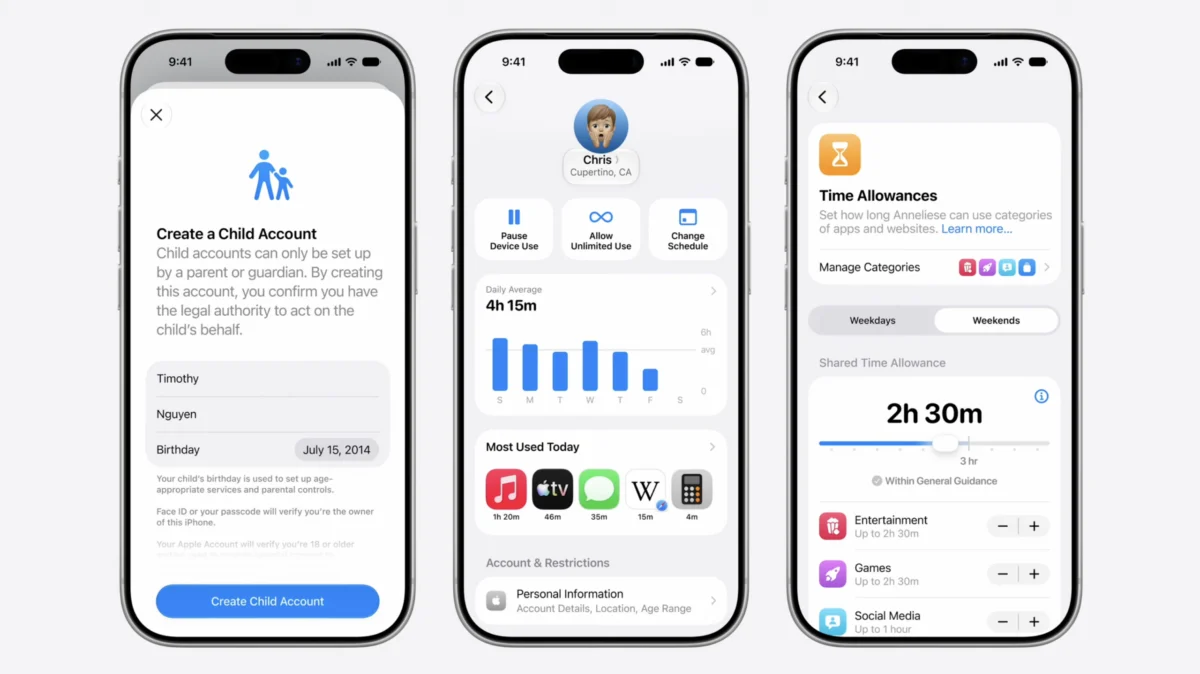
Cupertino, CA – June 8, 2026 – Apple today concluded its annual Worldwide Developers Conference (WWDC) with the highly anticipated unveiling of iOS 27, the next major iteration of its mobile operating system. Set for a public release in September 2026, iOS 27 arrives as a significant update, promising a more intelligent, personalized, and efficient user experience. The announcement was made during the keynote address, which also showcased the forthcoming macOS Golden Gate, iPadOS 27, visionOS 27, watchOS 27, and tvOS 27, indicating a cohesive ecosystem-wide evolution.
Dubbed by some analysts as a "Snow Leopard" moment for iOS, referencing the meticulously refined and performance-focused macOS 10.6 release, iOS 27 appears to prioritize under-the-hood improvements and impactful new features over a radical visual overhaul. A key highlight is the introduction of the "Liquid Glass UI," a design language that offers enhanced dynamism and user control, notably featuring adjustable translucency levels. This represents a significant evolution from the UI paradigms established in iOS 26, aiming to provide a more fluid and visually responsive interface.

Expanded Device Support and Performance Enhancements
In a move that underscores Apple’s commitment to its user base and product longevity, iOS 27 will continue to support all iPhone models that were compatible with iOS 26. This means that any iPhone 11 or newer device will be eligible for the upgrade, a testament to Apple’s sustained software support for its hardware. Furthermore, Apple revealed that its advanced CPU scheduler has undergone significant algorithmic advancements. These improvements have been extended to all supported devices, promising a tangible boost in performance and responsiveness across the entire compatible hardware spectrum. This focus on optimizing existing hardware ensures that a wider range of users can benefit from the latest software innovations without the immediate need for hardware replacement.
The Dawn of "Apple Intelligence": A New Paradigm for Siri and Beyond
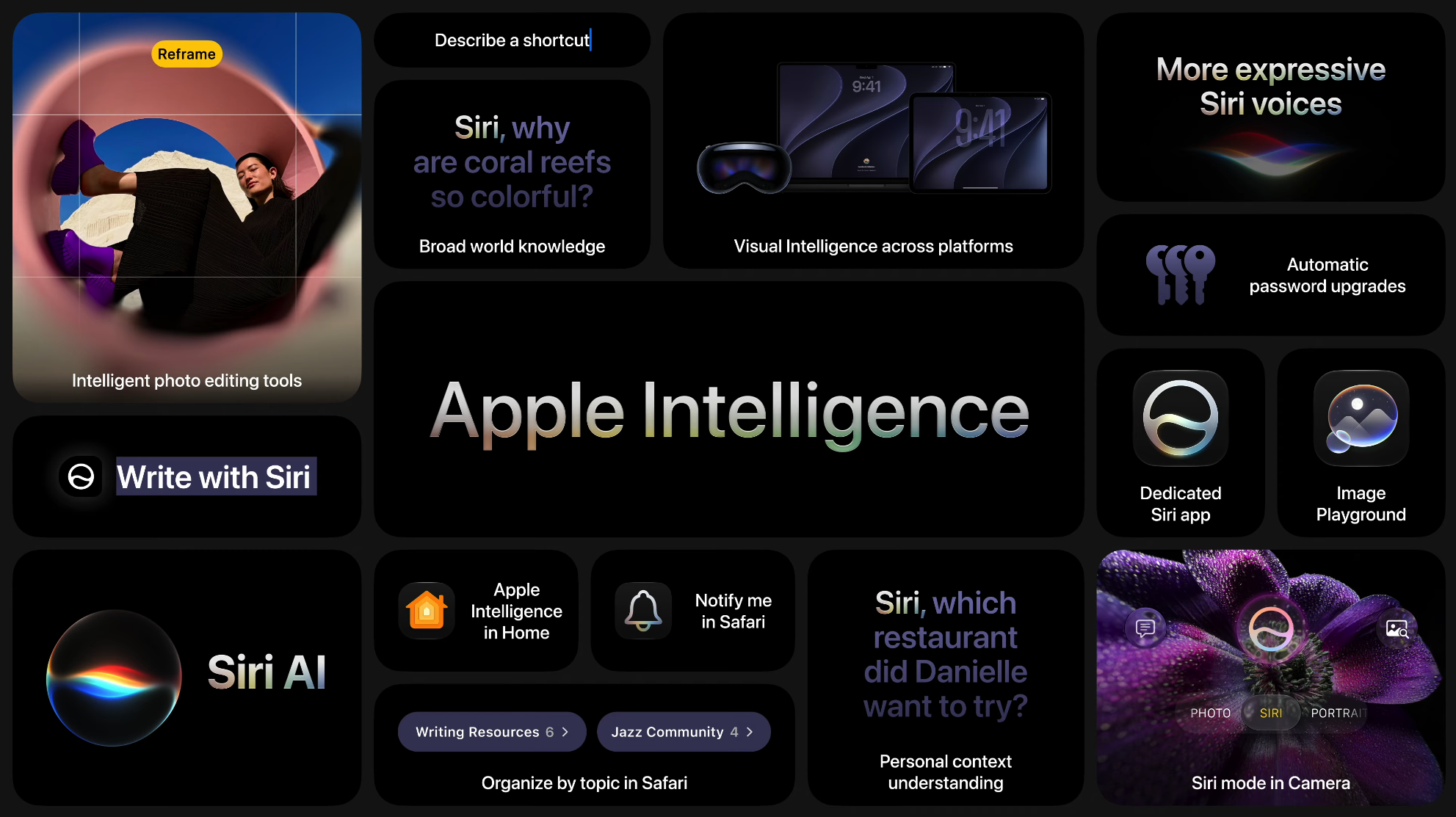
The centerpiece of the iOS 27 announcement is the integration of "Apple Intelligence," a groundbreaking suite of AI features designed to deeply embed intelligent capabilities across the Apple ecosystem. This initiative marks a significant shift in Apple’s approach to artificial intelligence, prioritizing on-device processing and private cloud compute to ensure user data remains protected and private.
"Apple Intelligence represents a new chapter for artificial intelligence on Apple platforms," stated a company spokesperson during the WWDC keynote. "Our focus has always been on creating technologies that empower users while respecting their privacy. Apple Intelligence leverages the power of on-device processing and private cloud compute to deliver incredibly useful and contextually aware features, all while keeping your personal data secure."
The enhanced Siri, a long-awaited evolution, is a prime beneficiary of Apple Intelligence. While not immediately available to all users upon the initial release of iOS 27, a waitlist system will be implemented within the Settings app, allowing users to opt-in as the technology is rolled out. This phased approach suggests a commitment to rigorous testing and optimization before broad public access. The new Siri is expected to offer a more natural and conversational interaction, with a deeper understanding of context and the ability to perform more complex tasks across applications. This advancement is a direct response to years of user feedback and the rapidly evolving landscape of AI-powered virtual assistants.
Key Features and Improvements in iOS 27
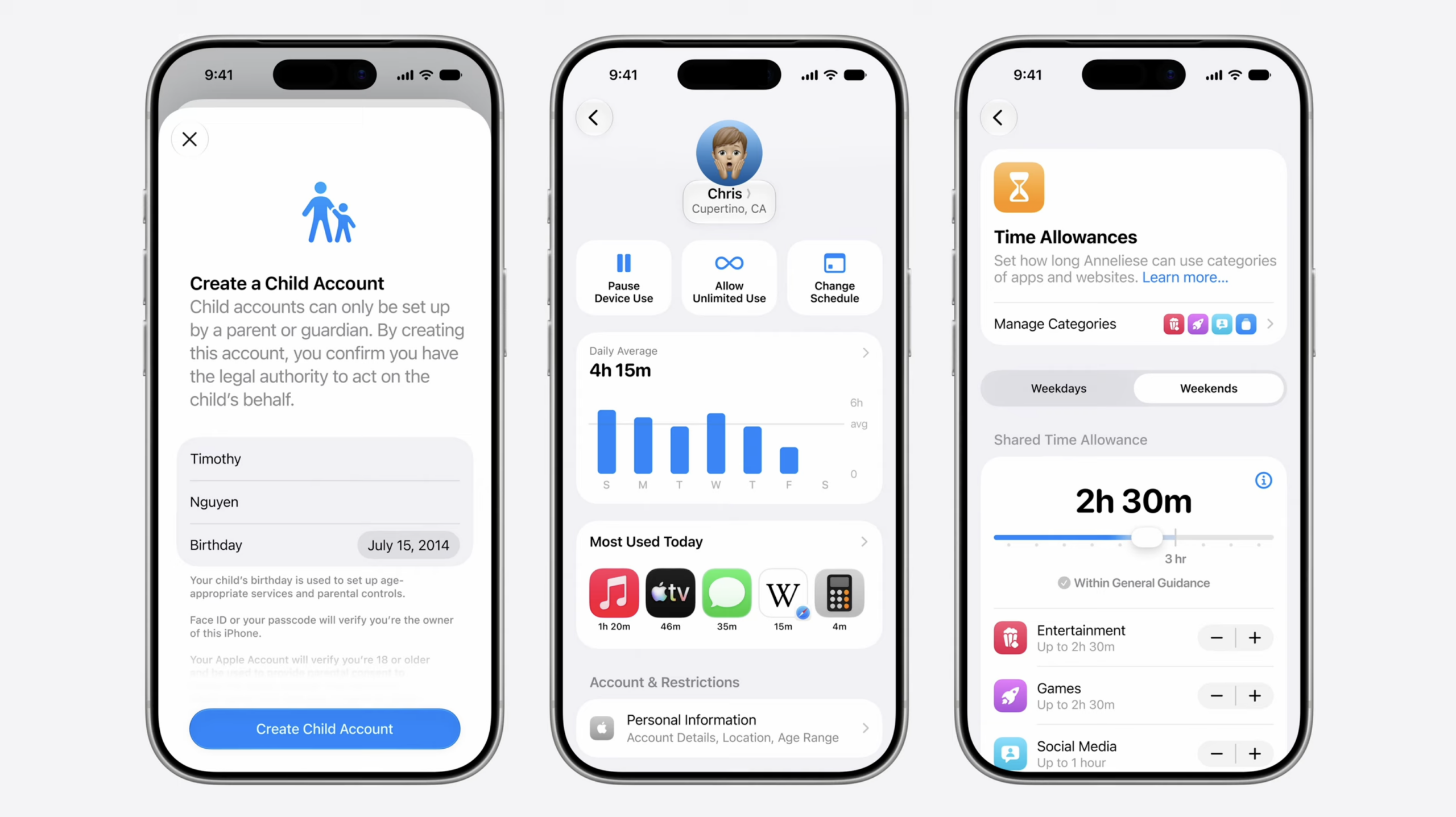
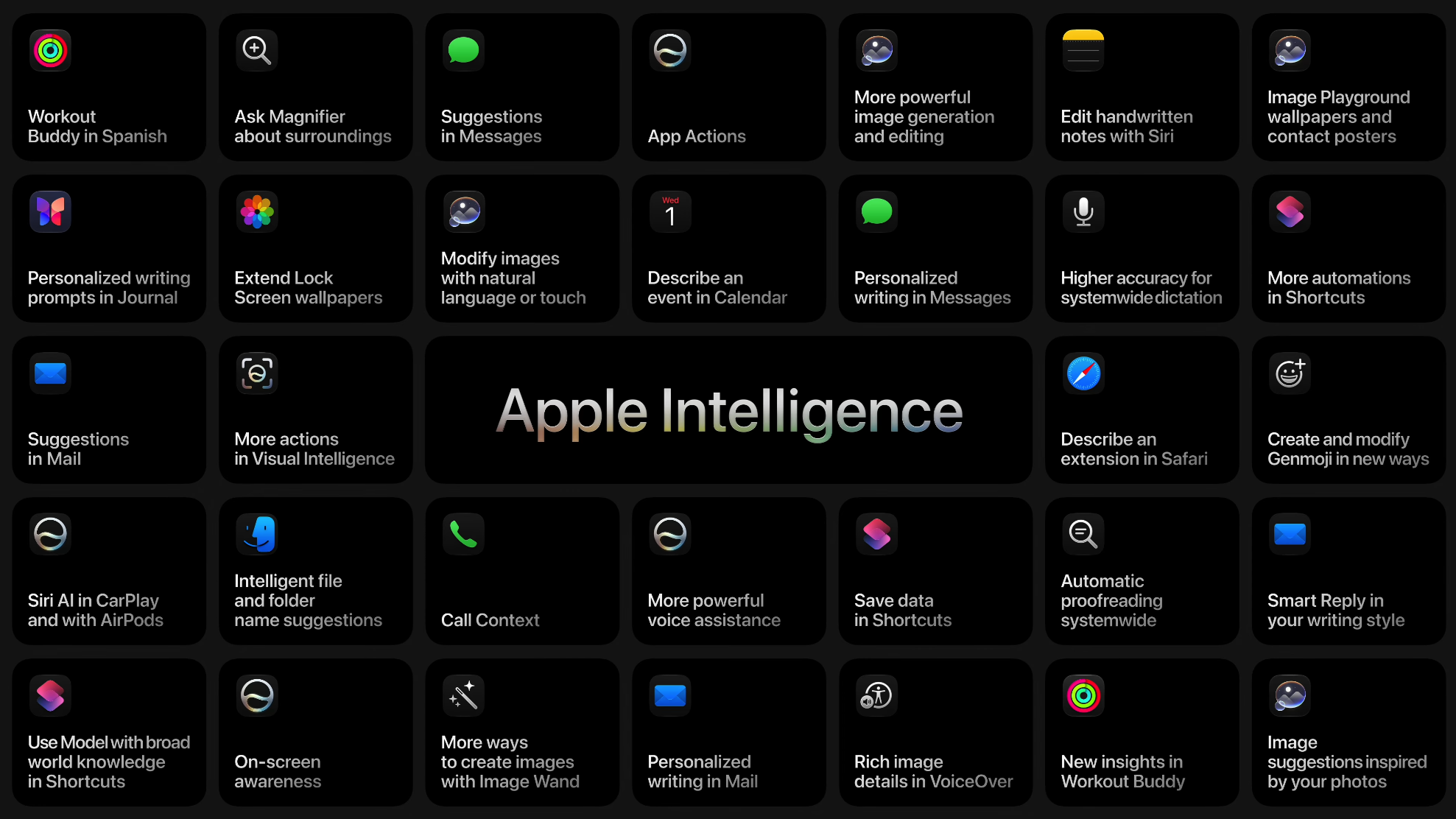
While a comprehensive list of every new feature is extensive, several key enhancements stood out during the WWDC presentation:
-
Liquid Glass UI Enhancements: As mentioned, the ability to adjust translucency levels is a significant visual and functional improvement. This allows users to tailor the appearance of their interface to their preferences and environmental conditions, potentially improving readability and reducing eye strain. The "Liquid Glass UI" is expected to bring a more fluid animation system and dynamic elements that respond intuitively to user interaction.
-
Advanced Notification Management: iOS 27 introduces more sophisticated tools for managing notifications. This includes intelligent prioritization based on user habits and app usage, as well as new "Focus" modes that offer granular control over which alerts are delivered and when. The aim is to reduce distractions and help users stay focused on what matters most.
-
Enhanced Privacy and Security Features: Building on Apple’s strong privacy stance, iOS 27 incorporates new protections for personal data. This includes more transparent app tracking controls, enhanced password management capabilities, and improved security for sensitive information stored on the device. The "Private Cloud Compute" architecture underpinning Apple Intelligence further reinforces this commitment, ensuring that AI processing, when it requires cloud resources, is done in a way that prevents data from being stored or accessed by Apple.
-
Productivity and Workflow Improvements: The update is expected to streamline common tasks and improve overall productivity. This could include deeper integration between apps, more intuitive file management, and enhanced multitasking capabilities. Specific examples, though not fully detailed, suggest improvements in areas such as document editing, email management, and inter-app data sharing.
-
Accessibility Advancements: Apple consistently emphasizes accessibility, and iOS 27 is no exception. New features are anticipated to further assist users with disabilities, potentially including enhanced voice control, improved screen reader capabilities, and new tools for visual and auditory assistance.
Siri and Apple Intelligence: A Deep Dive
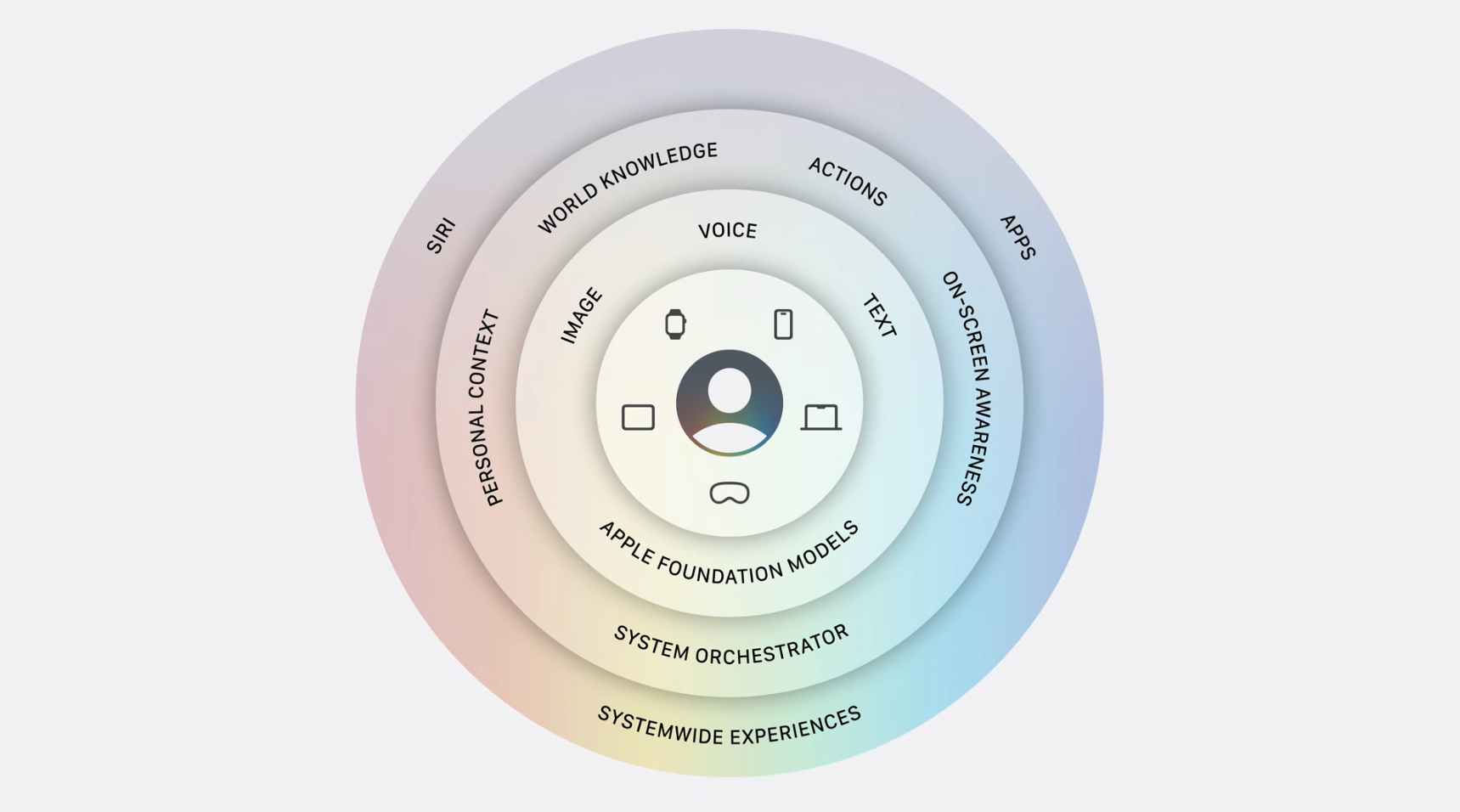
The integration of Apple Intelligence is not merely an add-on; it is woven into the fabric of iOS 27. The system’s architecture is designed to handle a wide range of tasks, from understanding and generating text to creating images and performing complex reasoning.
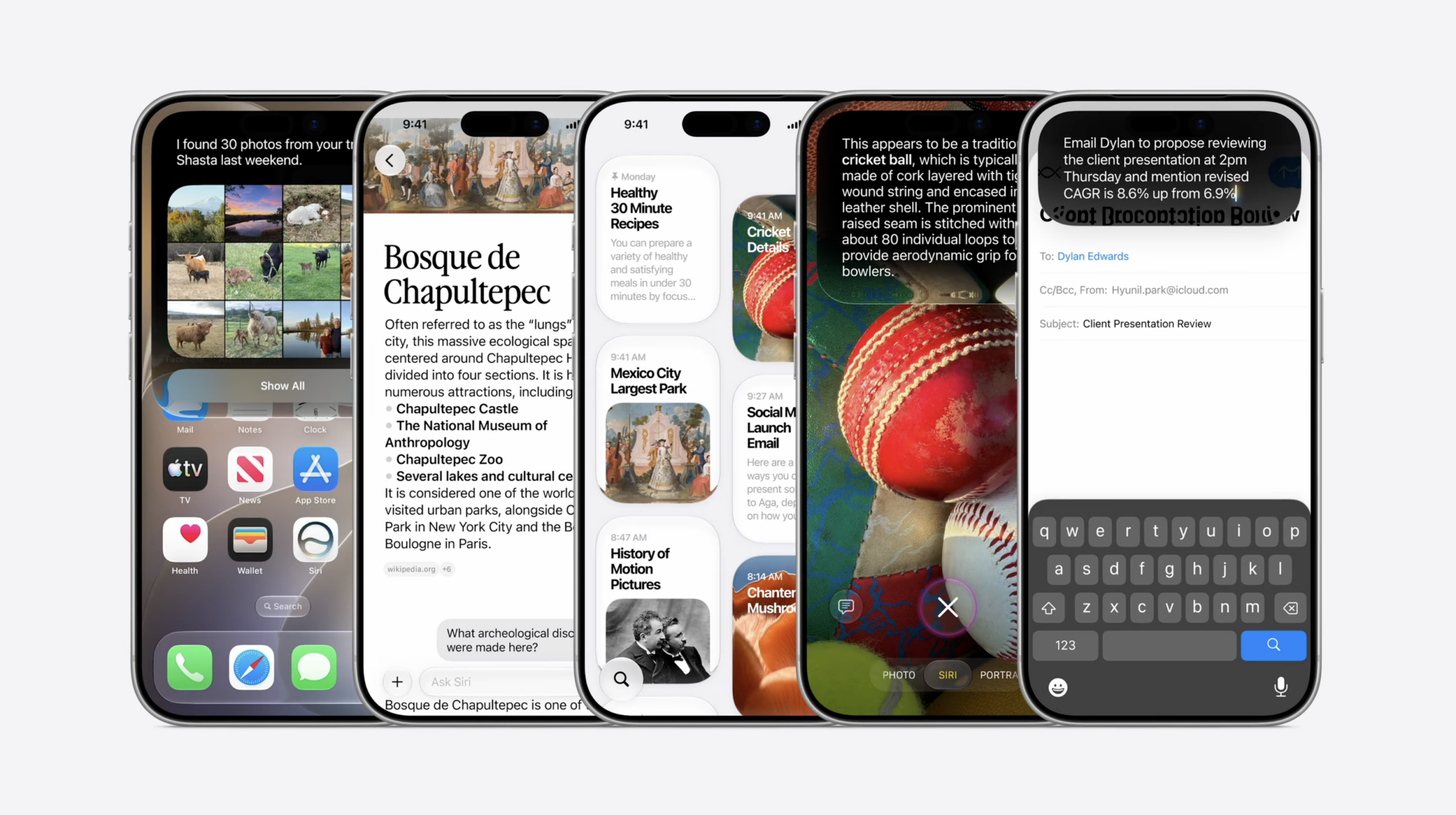
On-Device Processing: A significant portion of Apple Intelligence’s capabilities are processed directly on the user’s device. This ensures that sensitive personal data, such as calendar entries, emails, and messages, can be analyzed and acted upon without ever leaving the iPhone. This approach not only enhances privacy but also contributes to faster response times for many AI-driven features.
Private Cloud Compute: For tasks that require more computational power than an individual device can provide, Apple has developed "Private Cloud Compute." This secure infrastructure is designed to process data in a way that prevents Apple from accessing it. Data sent to the cloud is anonymized and processed on dedicated servers that are not used for any other purpose. This allows for more sophisticated AI operations while maintaining Apple’s stringent privacy standards.
Key Applications of Apple Intelligence:
-
Smarter Siri: The revamped Siri will be capable of understanding complex, multi-part commands, remembering context from previous interactions, and proactively offering assistance. It can now take actions within apps on behalf of the user, such as sending a message to a specific contact or scheduling an appointment.
-
Writing Tools: Apple Intelligence introduces "writing tools" that can assist users with composing emails, messages, and other text-based content. This includes features like summarization, proofreading, and tone adjustment, helping users communicate more effectively.
-
Image Generation: The system can generate original images based on textual descriptions, offering a creative outlet for users and a new way to visualize ideas. These images can be used in messages, documents, or as personalized wallpapers.

-
Contextual Awareness: Apple Intelligence aims to understand the user’s current context, whether it’s an ongoing conversation, a document being reviewed, or an event on the calendar. This allows for more relevant and timely assistance.
System Requirements and Device Compatibility
The decision to maintain support for the iPhone 11 and newer models signifies a strategic approach to software development. By optimizing the new features and the underlying operating system for a wider range of hardware, Apple aims to maximize user adoption and satisfaction. The algorithmic advancements in the CPU scheduler are particularly crucial in ensuring that older, yet still capable, devices can handle the increased demands of iOS 27 without compromising performance.

While specific details on the exact hardware requirements for certain Apple Intelligence features may vary, the broad compatibility of iOS 27 across the iPhone 11 and later is a significant benefit for consumers. This extended support lifecycle for devices is a core tenet of Apple’s product strategy, fostering customer loyalty and reducing electronic waste.
The Broader Ecosystem Impact
The release of iOS 27 and its accompanying operating system updates across the Apple ecosystem—macOS Golden Gate, iPadOS 27, visionOS 27, watchOS 27, and tvOS 27—indicates a synchronized effort to bring a consistent and intelligent experience to all Apple users. The interoperability and seamless integration between these platforms are expected to be further enhanced, allowing for fluid transitions and shared functionalities.

For developers, iOS 27 presents new APIs and frameworks that will enable them to leverage Apple Intelligence within their own applications. This opens up a vast array of possibilities for creating innovative and personalized user experiences. The emphasis on on-device processing and privacy will likely be a key consideration for developers as they integrate these new AI capabilities.
Looking Ahead: A Future of Intelligent Computing
The unveiling of iOS 27 and Apple Intelligence at WWDC 2026 represents a pivotal moment in the evolution of personal computing. By focusing on privacy, on-device processing, and user empowerment, Apple is charting a course for artificial intelligence that is both powerful and responsible. The "Snow Leopard" approach of refinement and enhancement, combined with the transformative potential of Apple Intelligence, suggests that iOS 27 will be a significant upgrade, setting a new standard for what users can expect from their mobile devices. The phased rollout of Siri’s advanced capabilities and the ongoing development of the Private Cloud Compute infrastructure highlight Apple’s deliberate and user-centric approach to innovation in the AI era.