Cecilia Chamidah Nur
Despite the monumental success and widespread scrutiny of The Legend of Zelda series, a franchise celebrated globally for its intricate lore, innovative gameplay, and myriad hidden secrets, some of its more obscure features continue to elude common knowledge even decades after their initial release. A recent resurgence of discussion, primarily ignited on social media platforms, has brought to light a particularly unique secret: a hidden shop within The Legend of Zelda: Oracle of Seasons and The Legend of Zelda: Oracle of Ages that is exclusively accessible when the Game Boy Color cartridges are played on a Game Boy Advance (GBA) console. This revelation underscores the depth of detail embedded by developers and highlights the complexities involved in preserving gaming history across evolving hardware platforms.
The Oracle Games: A Unique Chapter in Zelda Lore
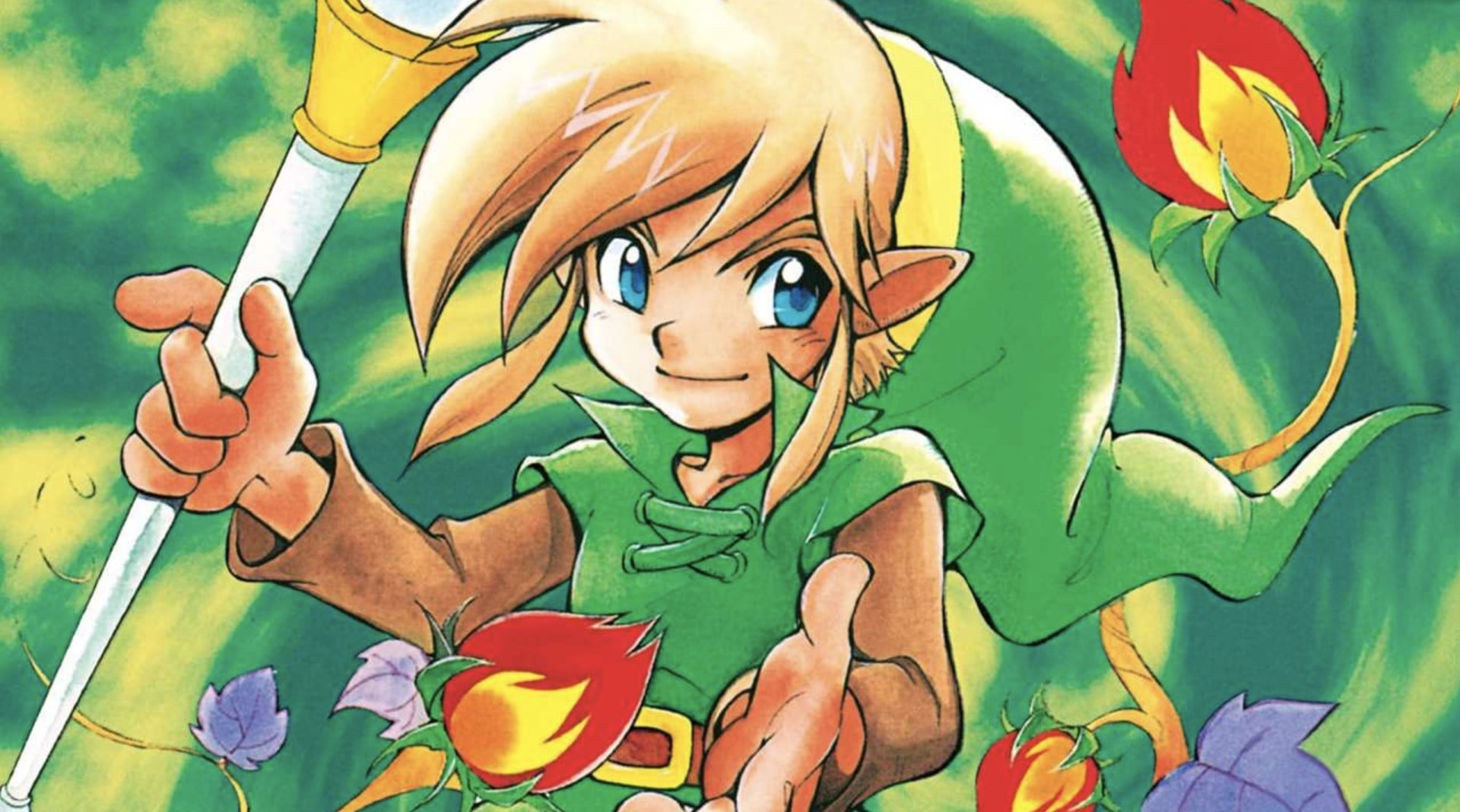
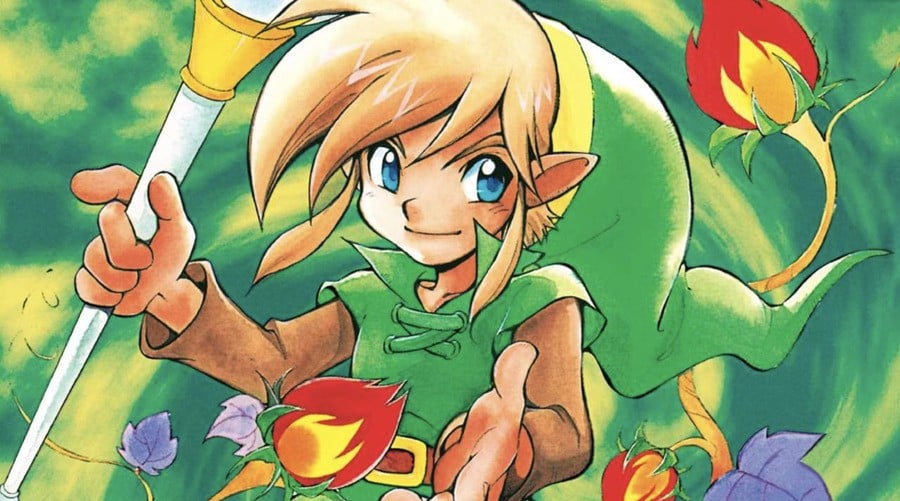
Released in 2001, The Legend of Zelda: Oracle of Seasons and Oracle of Ages represent a distinctive chapter in the expansive Zelda saga. Developed by Flagship, a subsidiary of Capcom, under the supervision of Nintendo, these titles broke new ground by offering two interconnected adventures. Players could begin their journey in either Holodrum (Seasons) or Labrynna (Ages), with each game featuring unique mechanics – the Rod of Seasons for manipulating the environment in Seasons, and the Harp of Ages for time travel in Ages. Upon completing one game, a secret code could be generated, allowing players to link the two titles and experience an extended narrative with additional challenges, story elements, and a true ending that united the plots. This innovative "linked game" system was a technological marvel for its time, leveraging the Game Boy Color’s capabilities to provide an unprecedented degree of replayability and narrative depth for a handheld title. The games were critically acclaimed, lauded for their engaging puzzles, imaginative worlds, and faithful adherence to the core tenets of the Zelda series, solidifying their place as beloved entries in the franchise.
The Revelation of the Advance Shop
The existence of this secret shop, often referred to by the community as the "Advance Shop," recently gained renewed attention following posts by Twitter users, including TheRealPit0, who detailed its unique activation method. For many long-time fans and newcomers alike, the requirement of specific hardware – the Game Boy Advance – to access this in-game content came as a surprise. This mechanism was a subtle nod to the then-newly released GBA, offering a small incentive for players to upgrade their handheld consoles.
According to comprehensive fan wikis and archived game guides, the Advance Shop’s location varies slightly between the two titles. In Oracle of Ages, it is situated adjacent to the Lynna Village Shooting Gallery, a familiar locale for players seeking minigames and item upgrades. In Oracle of Seasons, the shop can be found near the Know-It-All Birds’ Hut, another prominent landmark within the game’s world. Regardless of the specific game, the shop’s inventory is consistent: it offers a Gasha Seed and two Magic Rings. Each item is priced at a modest 100 Rupees, making them readily accessible for players who uncover the secret. Gasha Seeds are crucial for growing Gasha Trees, which yield random items, while Magic Rings provide various passive buffs and abilities, making these items valuable additions to Link’s arsenal.
Technical Underpinnings and Hardware Compatibility
The technical implementation of the Advance Shop is rooted in the Game Boy Advance’s backward compatibility with Game Boy and Game Boy Color cartridges. When a GBC cartridge is inserted into a GBA, the GBA’s internal hardware detects the presence of the older cartridge and switches into a dedicated GBC compatibility mode. However, this mode is not merely a simple emulation; the GBA hardware itself possesses specific registers and flags that GBC games can query. Developers at Flagship ingeniously utilized this capability to program a conditional check within Oracle of Seasons and Oracle of Ages. If the game detected that it was running on a Game Boy Advance, a specific flag would be toggled, enabling the appearance and functionality of the Advance Shop.
This practice of including GBA-specific enhancements in GBC games was not unique to the Oracle titles. Numerous Game Boy Color games released around the transition period between the GBC and GBA eras incorporated such features. Notable examples include Pokémon Crystal, where playing on a GBA in Japan allowed access to the Celebi event via the Mobile System GB adapter, and Shantae, which featured an enhanced color palette when played on a GBA. These "GBA enhanced" GBC games served as a clever marketing strategy, providing an added value proposition for early adopters of the Game Boy Advance and encouraging existing GBC owners to consider the upgrade. It demonstrated the forward-thinking design philosophy of developers who sought to maximize the capabilities of both existing and upcoming hardware.
The Challenge of Digital Preservation: Virtual Console and Nintendo Switch Online
The unique hardware dependency of the Advance Shop has significant implications for modern players attempting to experience these classic titles. Notably, the secret shop is not accessible in the digital re-releases of Oracle of Seasons and Oracle of Ages available on the Nintendo 3DS Virtual Console or the Nintendo Switch Online service. This limitation stems from the nature of emulation on these platforms.
When a game is released on the 3DS Virtual Console or Nintendo Switch Online, it runs within a software emulator designed to mimic the original hardware. In the case of GBC games, these emulators are typically configured to replicate the Game Boy Color’s architecture precisely. They do not, however, emulate the Game Boy Advance’s specific GBC compatibility mode. Consequently, the crucial hardware detection flag that signals the game is running on a GBA is never triggered. The game’s code, therefore, proceeds as if it were being played on a standard Game Boy Color, keeping the Advance Shop hidden.
This situation highlights a recurring challenge in digital game preservation: the difficulty of accurately replicating every nuance of original hardware, especially features that relied on cross-platform compatibility or unique peripheral interactions. While modern emulation excels at delivering the core gameplay experience, subtle, hardware-dependent secrets like the Advance Shop can often be overlooked or deemed too complex to faithfully reproduce without significant development effort, potentially impacting the authenticity of the re-released experience for purists.
The "Forgotten Secret" Phenomenon and Community Efforts
The Advance Shop’s obscurity for over two decades can be attributed to several factors. Firstly, the specific hardware requirement itself limited access. Not every GBC owner upgraded to a GBA, and even those who did might not have immediately thought to re-play their older GBC titles on the newer console looking for hidden content. Secondly, the pre-widespread internet era meant that community knowledge sharing was slower and less pervasive. Secrets were often discovered through word-of-mouth, niche gaming magazines, or dedicated fan websites that took time to compile information. Without an overt in-game hint or easily accessible online guides, such a nuanced secret could easily remain undiscovered by the majority of players.
The recent re-emergence of this secret underscores the invaluable role of modern gaming communities and social media in digital archaeology. Platforms like Twitter and Reddit allow for rapid dissemination of information, enabling collective memory to be preserved and rediscovered. What was once a niche piece of trivia becomes widely known, fostering discussions about game design, hardware history, and preservation challenges.
Furthermore, the dedicated retro gaming community has taken steps to ensure this secret remains accessible. Emulators for PC and other devices often include options to simulate the GBA’s GBC compatibility mode, thus allowing the Advance Shop to be triggered. Beyond emulation, dedicated enthusiasts have even developed "modded" versions of the game ROMs that permanently unlock the Advance Shop, removing the hardware requirement entirely. These community-driven initiatives demonstrate a strong commitment to preserving all facets of gaming history, ensuring that future generations of players can experience these hidden gems regardless of the original hardware constraints.
Broader Implications: Preservation, Design, and Nostalgia
The story of the Advance Shop is more than just a forgotten Easter egg; it offers several broader implications for the video game industry and its cultural legacy.
Digital Preservation and Authenticity: The shop’s inaccessibility on official digital platforms serves as a stark reminder of the complexities of game preservation. True preservation means not just making games playable, but making them playable as they were intended, including all their quirks, secrets, and hardware-dependent features. This incident highlights the need for platform holders to consider comprehensive emulation strategies that account for these granular details, ensuring that the full scope of a game’s design is preserved for posterity.
Developer Ingenuity and Hardware Integration: The design choice to embed a GBA-exclusive feature within a GBC game showcases the ingenuity of developers in the late 1990s and early 2000s. Faced with evolving hardware, they found creative ways to incentivize upgrades and reward players who embraced new technology. It speaks to a time when game design often intertwined closely with hardware capabilities, leading to unique and often surprising interactions.
The Enduring Power of Secrets and Discovery: The continued discovery of such secrets, even in games as popular and thoroughly explored as The Legend of Zelda, speaks to the enduring appeal of mystery in gaming. These revelations spark renewed interest in classic titles, encouraging players to revisit old favorites and perhaps even explore vintage hardware. It fuels a sense of collective discovery and nostalgia, reinforcing the rich tapestry of gaming history.
Retro Gaming Revival: This phenomenon further contributes to the ongoing retro gaming revival. As players uncover such secrets, there’s a renewed appreciation for the craftsmanship of older games and the historical context of their development. It drives demand for original hardware, encourages collector communities, and ensures that the cultural significance of these titles remains vibrant.
In conclusion, the Game Boy Advance-exclusive shop in The Legend of Zelda: Oracle of Seasons and Oracle of Ages stands as a fascinating artifact of early 21st-century handheld gaming. Its recent re-discovery not only adds another layer to the already rich lore of the Zelda series but also serves as a potent reminder of the intricate relationship between game design and hardware, the challenges of digital preservation, and the enduring passion of a global community dedicated to exploring and preserving the history of video games.