Cecilia Chamidah Nur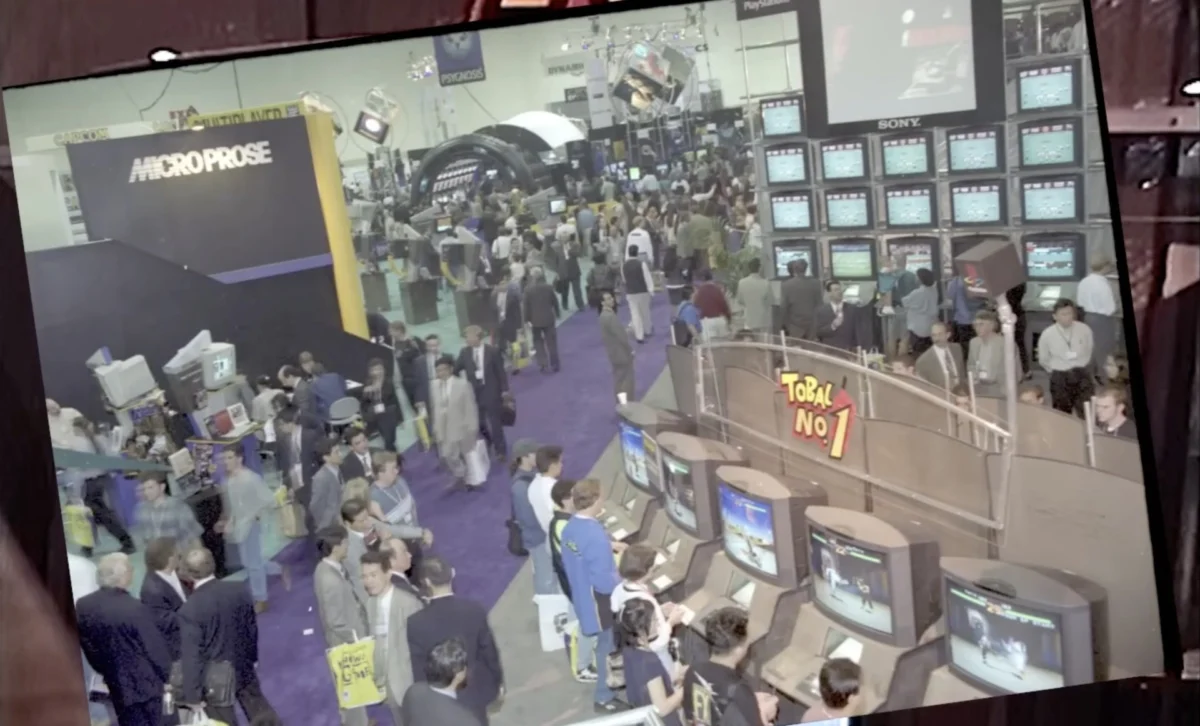
The Video Game History Foundation (VGHF), a non-profit organization dedicated to preserving, celebrating, and teaching the history of video games, has recently unveiled an extensive collection of archival materials related to the early years of the Electronic Entertainment Expo (E3). This significant release promises to offer unprecedented insights into the formative era of the gaming industry’s most iconic trade show, bringing to light a trove of documents, footage, and ephemera that were previously inaccessible to the public and researchers alike. The immediate impact of these newly digitized collections has been a flurry of exciting discoveries, ranging from never-before-seen game footage to quirky marketing reels, reaffirming the VGHF’s crucial role in safeguarding video game heritage.
The Genesis and Ascendance of E3: A Pillar of Gaming Culture
To fully appreciate the significance of these newly released archives, it is essential to contextualize E3’s historical importance. For over two decades, E3 stood as the preeminent annual trade event for the global video game industry, primarily hosted in Los Angeles, California. Its inception in 1995 marked a pivotal moment, born out of the industry’s burgeoning growth and its increasing dissatisfaction with the Consumer Electronics Show (CES). Prior to E3, video games were relegated to a smaller section of CES, a sprawling electronics showcase that struggled to adequately highlight the unique innovation and cultural impact of interactive entertainment.
The Interactive Digital Software Association (IDSA), later rebranded as the Entertainment Software Association (ESA), spearheaded the creation of E3. Their goal was to establish a dedicated platform where developers, publishers, and hardware manufacturers could present their latest innovations, announce new titles, and forge crucial business partnerships. The inaugural E3 in 1995 was an immediate success, drawing massive industry attention and establishing itself as the event for major game reveals. It quickly became the stage for some of gaming’s most legendary moments, from the unveiling of new console generations like the Nintendo 64 and PlayStation to groundbreaking game demonstrations that set trends for years to come. For consumers, E3 was a window into the future of gaming, with every major announcement meticulously covered by burgeoning gaming media and eagerly dissected by fans worldwide.
The show’s format typically involved massive, elaborate booths from major players like Nintendo, Sony, Microsoft, Sega, and numerous third-party publishers. These booths were not merely display areas but often immersive experiences, designed to showcase the spectacle and excitement of upcoming titles. Keynote presentations, often delivered by industry luminaries, became highly anticipated events, shaping public perception and driving market expectations. The pre-internet era’s reliance on print magazines and television segments meant that E3 coverage was often the first glimpse many gamers had of their most anticipated titles, imbuing the event with a near-mythical status.
The Video Game History Foundation’s Preservation Initiative
The recent release by the Video Game History Foundation highlights their unwavering commitment to documenting and making accessible the often-ephemeral history of video games. The announcement was made through a detailed blog post on the official VGHF website and a companion video shared on their non-profit YouTube channel. These platforms served to explain the rationale behind the collection, detail the types of materials included, and outline the potential applications for researchers, historians, and enthusiasts.
Phil Salvador, the digital librarian for the Video Game History Foundation, underscored the event’s enduring legacy in his introduction to the collections. "The Electronic Entertainment Expo was the event for the game industry in the United States for over 20 years," Salvador stated. "And now, thanks to some new materials in our archive, we’re taking you closer to the event than you’ve ever been before… Everything we’ve shown you today is free for you to access in our digital archive, thanks to your support for the Video Game History Foundation." This emphasis on free accessibility aligns with the VGHF’s mission to ensure that the history of video games is not locked away but readily available for public engagement and academic inquiry.
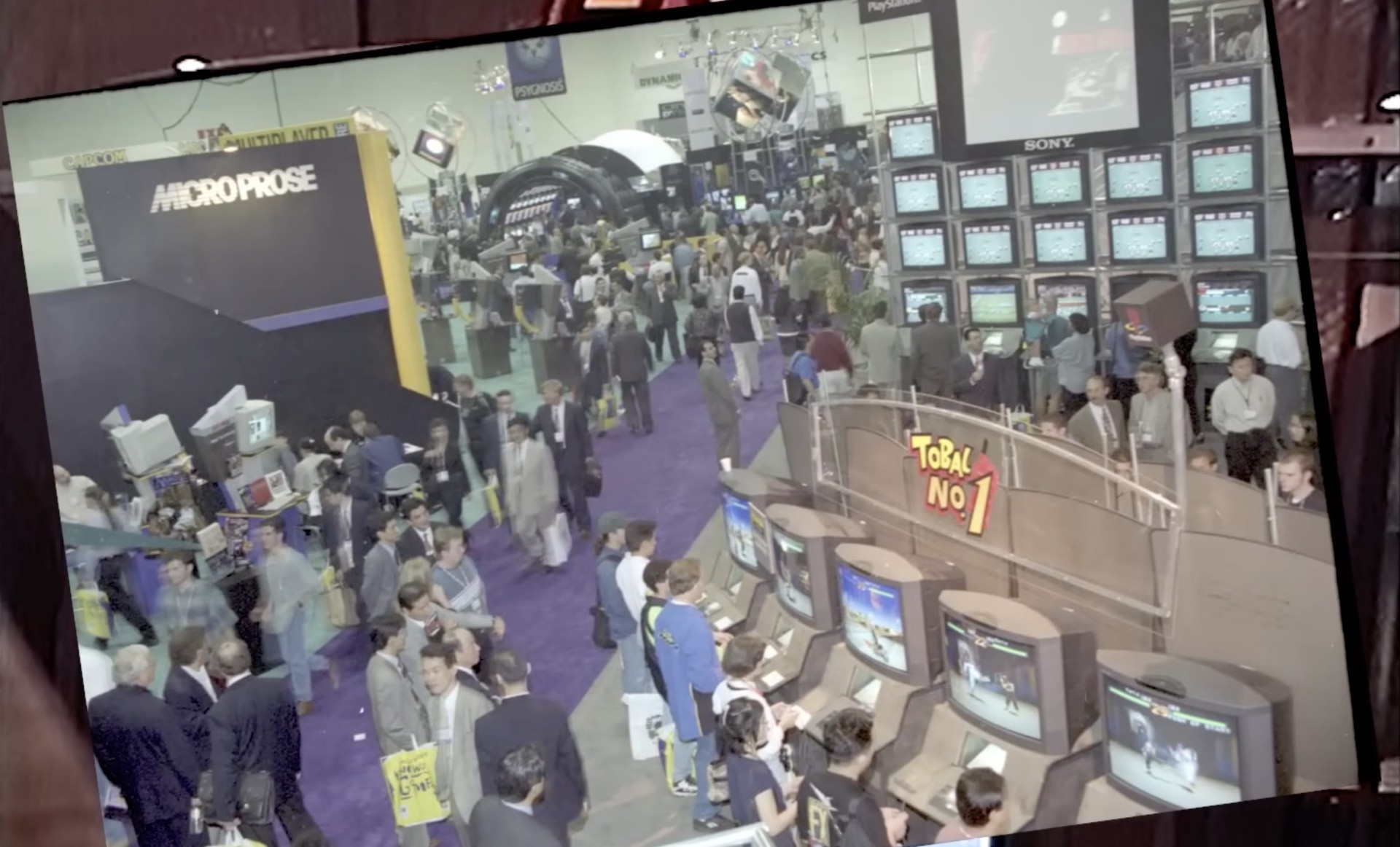
The newly digitized collections are a mosaic of diverse materials, including event ephemera from IDSA founding member Carolyn Rauch and the Anthony Parisi Tapes, among others. These archives encompass a wide array of content: promotional videos, internal documents, official show guides, press kits, and never-before-seen development footage. Such materials are invaluable for understanding the complex ecosystem of game development, marketing, and public relations during a critical period of industry expansion. Researchers, for instance, can now pinpoint the exact locations where specific games were showcased on the sprawling E3 show floor, offering new perspectives on marketing strategies and competitor analysis.
Unearthing Hidden Gems: Key Discoveries from the Archives
The release has already sparked a frenzied treasure hunt among gaming enthusiasts and historians, leading to a cascade of fascinating discoveries. These insights provide concrete examples of the archival material’s value:
-
Conker’s Evolutionary Journey: Among the most significant finds is what has been described as "the cleanest footage we’ve ever seen" from E3 1997 showcasing "Conker’s Quest." This title, originally envisioned as a family-friendly platformer, eventually morphed into "Twelve Tales: Conker 64" before its radical transformation into the notoriously irreverent and adult-oriented "Conker’s Bad Fur Day." The newly surfaced footage offers a rare glimpse into the game’s earliest conceptualization, highlighting the dramatic shifts in creative direction that often characterize game development. It underscores how early E3 presentations could represent a mere snapshot in a game’s often tumultuous journey to release, revealing the iterative and often unpredictable nature of the creative process.
-
Acclaim’s "So Bad, It’s Good" Sizzle Reel: Another intriguing discovery is a sizzle reel from Acclaim Entertainment, a prominent publisher during the 1990s. Described as "so bad, it’s good," this footage offers a candid look at the marketing aesthetics and presentation styles prevalent in the era. Acclaim, known for a diverse portfolio that included titles like Mortal Kombat ports and Turok: Dinosaur Hunter, often embraced aggressive and sometimes unconventional marketing. This reel serves as a historical document, reflecting the prevailing industry trends and the specific brand identity Acclaim sought to project, even if through a lens that now appears comically outdated. It provides valuable insight into the challenges and creative solutions employed in pre-internet era game promotion.
-
Banjo-Kazooie’s Proto-Narrative: A particularly captivating piece of footage (attributed to TSR Stormed) reveals an early version of Rare’s beloved platformer, "Banjo-Kazooie," narrated by former Nintendo of America Director of Game Development, Ken Lobb. In this nascent stage, Lobb describes the game as having 16 levels, significantly more than the nine levels featured in the final release. More strikingly, the iconic Gruntilda head is absent from Spiral Mountain, and the plot centers around a "major giant dude" who steals Banjo’s girlfriend and imprisons her in his "castle in the clouds." Lobb repeatedly references this "Giant" as the primary antagonist, even mentioning "the Giant’s dining room." This stark contrast to the familiar narrative of Gruntilda the witch kidnapping Tooty provides an extraordinary look into the fluid nature of game design, where core narrative and structural elements can undergo profound changes during development. It shows how even highly anticipated titles can be works in progress right up to their public reveal.
-
Charles Martinet’s Unconventional Donkey Kong: The archives also feature footage (highlighted by Nintendo Metro) showcasing a rare performance by Charles Martinet, the legendary voice actor behind iconic Nintendo characters like Mario, Luigi, Wario, and Waluigi. In this particular clip, Martinet voices Donkey Kong, offering a rather unconventional and memorable interpretation of the character. This discovery is remarkable because Martinet is not typically associated with Donkey Kong, whose voice has been primarily handled by other actors like Grant Kirkhope and later, Richard Ridings. Martinet’s performance provides a unique snapshot of early voice casting experiments and character interpretations, demonstrating the exploratory phase of bringing beloved characters to life through audio. It adds a fascinating footnote to the storied career of one of gaming’s most prolific voice talents.
-
Iconic Moments in High Fidelity: Beyond the never-before-seen content, the VGHF collections also offer high-quality versions of historically significant moments previously available only in lower fidelity. This includes Sony’s legendary "299" price announcement at E3 1995. This brief, powerful declaration by Sony Computer Entertainment America’s Steve Race, contrasting the PlayStation’s $299 price point with the Sega Saturn’s $399, is often cited as a decisive blow in the console wars, propelling the PlayStation to an early advantage. The improved footage allows for a clearer, more impactful viewing of this pivotal moment. Similarly, the archives contain historical footage, such as Nintendo’s initial pitch to US retailers for Pokémon, providing critical context for the global phenomenon’s challenging early days in Western markets. These high-quality reproductions are vital for future historical analyses, ensuring the integrity of these seminal events.
Broader Impact and Implications for Game Preservation

The release of these E3 collections by the Video Game History Foundation carries profound implications for several facets of the gaming world:
-
Game Preservation: The most immediate and critical impact is on game preservation. Video game history is notoriously fragile, often existing on proprietary hardware, ephemeral marketing materials, and rapidly deteriorating storage media. The VGHF’s work in digitizing and archiving these materials ensures that crucial pieces of the industry’s past are saved from oblivion. These collections serve as a testament to the effort required to prevent digital history from vanishing.
-
Academic Research and Historiography: For academics and historians, these archives are an invaluable primary source. They offer raw, unfiltered insights into the development processes, marketing strategies, and industry dynamics of the 1990s and early 2000s. Researchers can now delve deeper into topics such as console competition, the evolution of game genres, the challenges of localization, and the cultural reception of games. The ability to cross-reference official documents with promotional footage and industry reactions provides a holistic view previously unattainable.
-
Fan Engagement and Community Insights: For the vast community of video game enthusiasts, these collections are a treasure trove. They allow fans to connect with the games they love on a deeper historical level, offering "behind-the-scenes" glimpses into the creation of iconic titles. The shared excitement of discovering new footage or forgotten details fosters a collective appreciation for gaming’s rich legacy. This engagement also naturally draws more attention and support to the vital work of organizations like the VGHF.
-
Understanding Industry Evolution: By examining early E3 materials, current industry professionals can gain a better understanding of how the video game landscape has evolved. The archives reveal past successes, failures, and pivotal decisions that shaped the market. This historical perspective can inform contemporary strategies in game development, marketing, and business models, offering lessons from the past that remain relevant today.
-
Ethical Considerations and Copyright: The VGHF’s careful approach to making these materials accessible, while navigating complex copyright and intellectual property rights, sets a precedent for how similar archival projects can be undertaken responsibly. Their non-profit status and educational mission are crucial in facilitating access to materials that might otherwise remain locked away in private collections or corporate vaults.
As E3 itself has grappled with declining relevance in recent years, eventually being cancelled indefinitely after 2023, the historical importance of its peak years only grows. The shift from a centralized industry showcase to a more fragmented landscape of individual publisher events and digital presentations underscores the unique role E3 once played. The VGHF’s efforts ensure that this foundational period is not lost to time but rather becomes a vibrant, accessible resource for generations to come.
The Video Game History Foundation continues to rely on public support to fund its vital preservation efforts. The newly released E3 digital archive is free for all to explore, providing a direct gateway to gaming’s rich past. Those wishing to contribute to the ongoing mission of preserving video game history can find donation opportunities on the VGHF’s official website. This initiative not only celebrates E3’s golden age but also secures its place in the annals of digital culture.