Cecilia Chamidah Nur
Veteran game industry executive Shuhei Yoshida, former President of Sony Interactive Entertainment Worldwide Studios, offered a candid retrospective on Sony’s initial handling of Demon’s Souls, the groundbreaking title that birthed the "Soulslike" genre. Speaking at CEDEC 2026, Yoshida openly discussed his personal misjudgment of the game’s potential, acknowledging that Sony’s lukewarm reception ultimately led FromSoftware to seek external publishers for its spiritual successors, including the globally acclaimed Dark Souls series and Elden Ring. In a surprising twist, Yoshida suggested that this divergence, though initially a missed opportunity for Sony, proved to be "actually a good thing" for FromSoftware’s trajectory toward widespread international success.
The Genesis of a Genre: FromSoftware’s Unconventional Vision
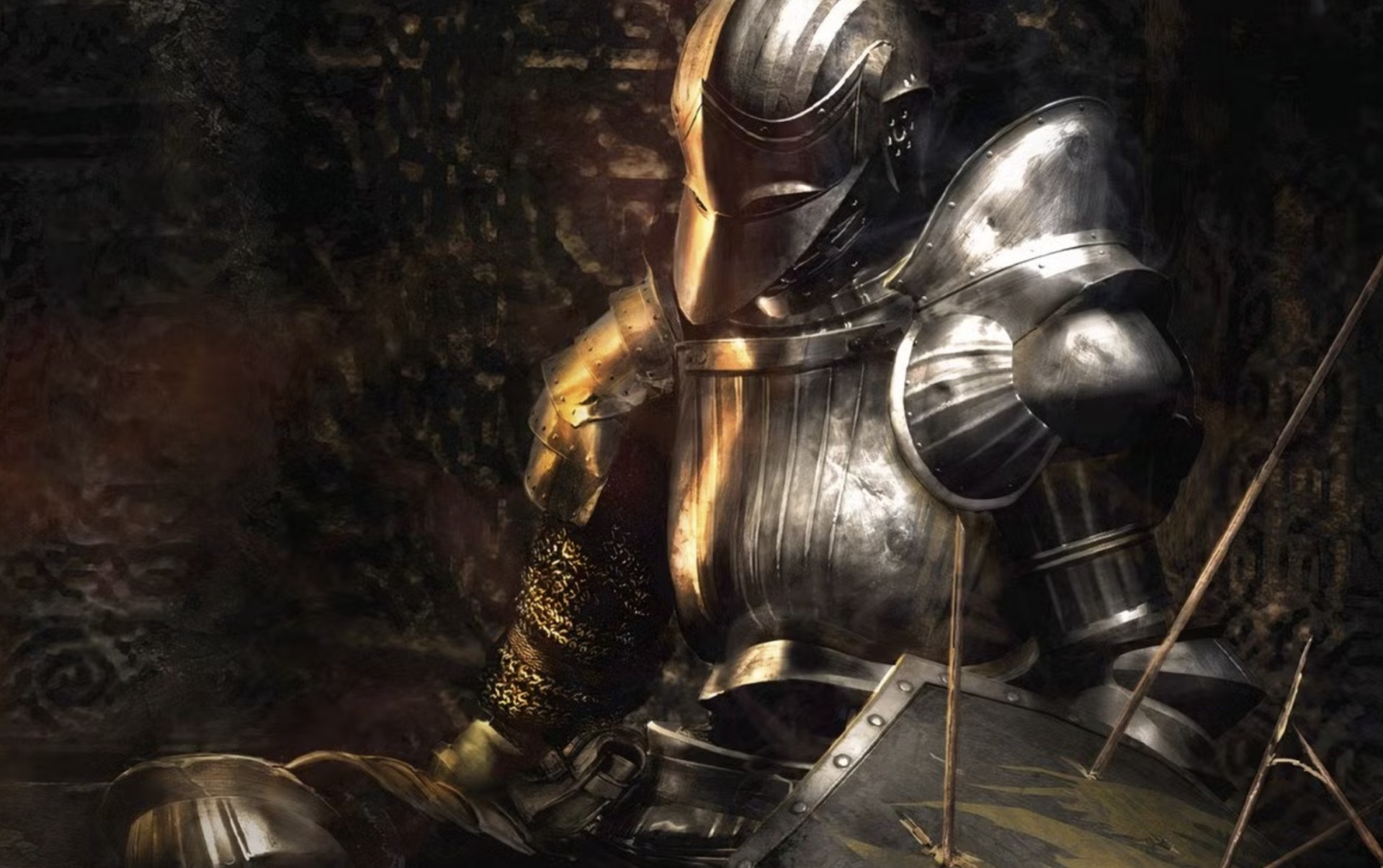
Before the advent of Demon’s Souls, FromSoftware was a respected Japanese developer primarily known for niche titles like the mech combat series Armored Core and the first-person dungeon crawler King’s Field. While these games cultivated dedicated fanbases, they rarely achieved mainstream global recognition. Demon’s Souls, conceived by director Hidetaka Miyazaki, represented a significant departure, blending elements of action RPGs with notoriously high difficulty, intricate world design, and a unique online multiplayer component that subtly integrated player interactions.
The game’s development under Miyazaki’s vision was reportedly challenging, even internally. It aimed to deliver a profoundly punishing yet rewarding experience, where every encounter could be lethal, and progress demanded meticulous observation, strategic combat, and unwavering persistence. This philosophy stood in stark contrast to the prevailing trends in action-adventure games of the late 2000s, which often prioritized accessibility, guided progression, and cinematic storytelling.
Sony’s Internal Skepticism and Yoshida’s Personal Encounter
Yoshida, whose career at Sony spanned decades and saw him overseeing PlayStation’s first-party development, admitted his initial understanding of Demon’s Souls was vague. "I really should have made sure to ask Mr. Miyazaki or our in-house producers exactly what kind of game was being made," he confessed, "but I just had a vague impression that it was a fantasy-themed action RPG." This lack of clear insight into the game’s core design principles would prove to be a pivotal factor in Sony’s initial disengagement.
His personal experience with a weekly development build further solidified his doubts. Yoshida recounted attempting to play the game for two hours, only to find himself repeatedly dying and making no tangible progress. "I spent two whole hours doing the exact same thing over and over. I remember thinking, ‘Man, this game is hard,’ and ‘This game is so unforgiving.’ I recall just mentioning to the QA staff something like, ‘This is really difficult, isn’t it?’" This firsthand encounter, filtered through the lens of a developer accustomed to designing games with smoother difficulty curves and clearer player guidance, led him to perceive the game’s defining challenge as a flaw rather than a deliberate feature.
Compounding this internal skepticism was the external critical reception. Famitsu, a highly influential Japanese gaming publication, awarded Demon’s Souls a score of 29/40, considered respectable but far from exceptional, especially for a first-party PlayStation 3 exclusive. This lukewarm critical endorsement, combined with the game’s perceived niche appeal and brutal difficulty, prompted Sony to proceed with extreme caution. The initial Japanese shipment in February 2009 was a modest 20,000 copies, reflecting Sony’s low expectations for its commercial performance. Yoshida, like many within the company, initially presumed the game would be a commercial dud.
The Unforeseen Surge: Word-of-Mouth and Global Reach
Sony’s regional divisions operated with a degree of autonomy at the time. The perceived weak performance of Demon’s Souls in Japan led Sony’s American and European branches to pass on publishing the title, effectively limiting its initial release to its home market. This decision, driven by conventional market analysis and risk aversion, would inadvertently open the door for other publishers to capitalize on the game’s burgeoning cult status.
A curious phenomenon began to unfold in Japan. Despite the low initial sales and critical indifference, a dedicated community of players started to form around Demon’s Souls. Online forums and social media platforms became hubs for players to share strategies, uncover secrets, and offer assistance to fellow "Soulsborne" enthusiasts. The game’s unforgiving nature, rather than being a deterrent, became a badge of honor, fostering a sense of camaraderie among those who dared to conquer its challenges. "That word-of-mouth kept sales going steadily," Yoshida observed, acknowledging the power of organic player engagement.
As its reputation grew, a new opportunity arose for Western distribution. Atlus, known for publishing unique and often challenging Japanese RPGs, recognized the emerging buzz and secured the rights to publish Demon’s Souls in North America in October 2009. Similarly, Bandai Namco (then Namco Bandai Games), a global publisher with a strong presence in both Eastern and Western markets, stepped in to release the game in Europe and other PAL regions in June 2010. These independent publishing deals proved instrumental in introducing Demon’s Souls to a global audience, where it quickly garnered critical acclaim and a passionate following, defying initial expectations.
The Birth of a Dynasty: From Dark Souls to Elden Ring
The unexpected success of Demon’s Souls on a global scale, particularly after Atlus and Bandai Namco’s involvement, certainly caught Sony’s attention. Yoshida admitted that after the dust had settled, he was "keen to work with FromSoftware on a sequel." However, the precedent had been set. FromSoftware, having experienced the advantages of multi-platform publishing and broader marketing reach through its new partners, chose a different path for its next major project.
In 2011, FromSoftware, in partnership with Bandai Namco, released Dark Souls. While a spiritual successor rather than a direct sequel to Demon’s Souls, it cemented the formula that would define the "Soulslike" genre: challenging combat, intricate lore, interconnected world design, and a unique online system. Crucially, Dark Souls was a multi-platform release, launching on PlayStation 3, Xbox 360, and later PC. This strategic decision by FromSoftware and Bandai Namco allowed the game to reach a significantly larger audience than its predecessor, propelling the series to international stardom.
The Dark Souls franchise went on to sell tens of millions of copies worldwide across multiple iterations, including Dark Souls II (2014) and Dark Souls III (2016), each building upon the foundational principles established by Demon’s Souls. FromSoftware’s collaboration with Sony was not entirely severed, however. The PlayStation 4 exclusive Bloodborne (2015) was a triumphant return to their partnership, blending the Soulslike formula with a distinct Gothic horror aesthetic and faster-paced combat. Further successes followed, with the critically acclaimed Sekiro: Shadows Die Twice (2019) and the monumental open-world epic Elden Ring (2022), which has sold over 25 million copies globally, solidifying FromSoftware’s status as one of the most revered developers in the industry.
Yoshida’s Candid Reflection: A "Good Thing" in Hindsight?
Yoshida’s reflections at CEDEC 2026 revealed a profound shift in perspective. He acknowledged the playful teasing he still receives about his initial dismissal of Demon’s Souls‘ appeal. "People tease me, saying, ‘Oh, so you’re that Yoshida guy who didn’t get the appeal of Demon’s Souls?’ And well, that’s fair enough," he conceded.
His introspection highlighted a crucial learning point for him as an executive with a background in traditional game development. "Having come from a background of making action-platformers, my mindset was always about gradually teaching players the ropes—showing them ‘this is how action games work’—so they could have a smooth, enjoyable experience," he explained. This established paradigm, focused on player accessibility and guided learning, made it difficult for him to initially grasp Miyazaki’s vision for a game that intentionally defied these conventions. "I realized I needed to shift that perspective. When it comes to game development, you have to truly grasp the kind of user experience the creator is aiming to craft. That was a key realization for me."
Perhaps the most surprising aspect of Yoshida’s reflection was his ultimate conclusion regarding Sony’s non-involvement in Dark Souls‘ initial multi-platform expansion. "However, looking at the massive success and incredible strides made by Miyazaki-san and FromSoftware—from Dark Souls all the way to Elden Ring—I sometimes think it was actually a good thing that we didn’t persist with it ourselves." This statement suggests a mature understanding that while Sony missed out on publishing a multi-million-selling franchise, FromSoftware’s broader reach under Bandai Namco’s global publishing might have been more beneficial for the studio’s overall growth and creative freedom. Had Sony insisted on exclusivity for Dark Souls, it might have limited the series’ initial explosion onto the global stage, potentially hindering the rapid expansion of the "Soulslike" genre and FromSoftware’s eventual rise to international superstardom.
Mending Fences: Sony’s Continued Relationship with FromSoftware
Despite the initial misstep, the relationship between Sony and FromSoftware remained strong, albeit with a different dynamic. After the success of Bloodborne on PS4, Sony revisited Demon’s Souls itself. For the launch of the PlayStation 5 in 2020, Sony commissioned a full remake of Demon’s Souls, handled by the now-defunct Bluepoint Games (which was later acquired by Sony). This visually stunning and critically acclaimed remake not only introduced the seminal title to a new generation of players but also served as a powerful launch title for the PS5, underscoring the enduring legacy and appeal of Miyazaki’s original vision.
This continued collaboration demonstrates that even after a significant missed opportunity, the long-term value of a creative partnership and a compelling intellectual property can lead to renewed engagement. Sony’s decision to invest heavily in the Demon’s Souls remake, years after its initial hesitancy, highlights a recognition of the game’s historical significance and its foundational role in modern gaming.
Broader Implications for the Industry
Yoshida’s frank admission offers valuable lessons for the broader video game industry. It underscores the challenges faced by publishers in identifying and nurturing unconventional talent and groundbreaking ideas. The story of Demon’s Souls serves as a powerful reminder that:
- Innovation Can Be Uncomfortable: Truly innovative games often challenge existing paradigms and may not fit neatly into established market categories or executive expectations.
- The Power of Word-of-Mouth: Organic player communities and grassroots enthusiasm can be more potent than traditional marketing campaigns, especially for niche or challenging titles.
- Understanding Creator Vision: Publishers and executives must strive to deeply understand the creative intent behind a game, rather than judging it solely through pre-conceived notions of marketability or accessibility.
- Long-Term Value of IP vs. Short-Term Sales: While initial sales figures are crucial, the long-term cultural impact and the potential to spawn entirely new genres can outweigh immediate commercial performance.
- Strategic Partnerships: Sometimes, the "best" outcome for a developer and its IP involves collaborating with multiple partners to maximize reach and creative freedom, even if it means foregoing exclusivity for a single platform holder.
The Demon’s Souls saga, as recounted by Shuhei Yoshida, is a fascinating case study in the unpredictable nature of the video game industry. It illustrates how an initial misjudgment, fueled by conventional thinking, inadvertently paved the way for a developer’s global ascent and the birth of a genre that has profoundly influenced modern game design. Yoshida’s ultimate acceptance that Sony’s initial pass might have been beneficial for FromSoftware speaks to a rare humility and a focus on the broader health of the creative ecosystem, rather than solely on proprietary gain. The legacy of Demon’s Souls endures, not just as a landmark title, but as a testament to the power of a unique vision, the resilience of a dedicated fanbase, and the serendipitous twists of fate that shape the entertainment landscape.