Cecilia Chamidah Nur
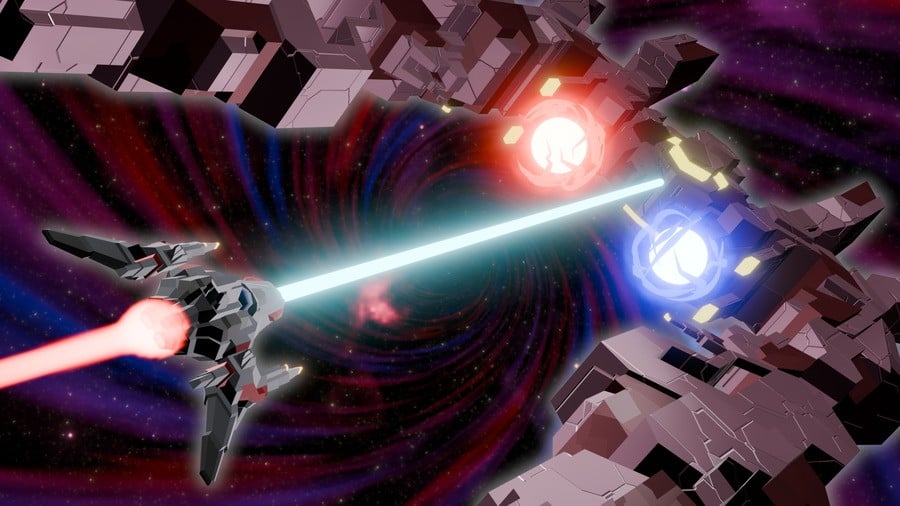
A new entry in the burgeoning doujin game scene, Spolous II, has emerged as a significant release, captivating the attention of the shoot ’em up (shmup) community. Developed by suppon and available for free download, this side-scrolling 2.5D shooter has garnered early praise for its sophisticated mechanics and high production values, particularly its music composed by Naoya Kamisaka. The game’s visual and gameplay elements are a clear homage to two titans of the shmup genre: Konami’s Gradius and Techno Soft’s Thunder Force, a fusion that promises a compelling experience for genre enthusiasts.
The initial release, designated as version 0.5, offers players a substantial glimpse into the game’s potential. Currently, only "Route A" is accessible, but its completion unlocks a higher difficulty variant, encouraging replayability from the outset. A core feature allowing player choice and strategic depth is the availability of three distinct ships at the game’s start. Furthermore, an in-game credit system enables players to unlock additional vessels, expanding the roster to an impressive total of 14 ships. This variety is designed to cater to different playstyles and strategies, a hallmark of deep shmup experiences. The game’s distribution via itch.io, a platform popular for independent developers, underscores its grassroots origins and direct engagement with its player base.
Gameplay Mechanics: A Hybrid Power-Up System
At the heart of Spolous II‘s gameplay lies a power-up system that ingeniously blends elements from its revered predecessors. As detailed on the game’s itch.io page, players collect "capsules" that appear throughout stages. These capsules contribute to filling a gauge displayed at the bottom of the screen. Once the gauge is sufficiently charged, players can activate a power-up button to enhance their ship’s capabilities. This system bears a striking resemblance to Gradius‘s iconic power-up bar, where collecting specific items allows players to select upgrades like speed-ups, missiles, options (small, autonomous satellites that mirror the player’s movements and fire), lasers, or shields. This strategic resource management forces players to make critical decisions under pressure, balancing immediate needs against long-term tactical advantages.
However, the inspiration from Thunder Force is also palpable, particularly in the potential for diverse weapon types and intense, multi-directional combat. While Gradius typically features a relatively consistent set of upgrades, Thunder Force often provided a wider array of distinct weapons that could be switched on the fly, offering tactical flexibility against different enemy formations and boss patterns. The mention of 14 unlockable ships in Spolous II strongly suggests that each ship might possess unique weapon loadouts or special abilities, further solidifying this hybrid approach. Such a design choice could provide a layered experience, where players must not only master the power-up gauge but also understand the nuances of each ship’s arsenal to succeed.
The Enduring Legacy of Gradius and Thunder Force
To fully appreciate Spolous II, it is essential to contextualize its inspirations within the history of the shmup genre. Gradius, first released by Konami in arcades in 1985, is widely considered a foundational title for horizontal scrolling shooters. It introduced several innovations that became genre staples, most notably its distinctive power-up bar system. Players began with a basic ship, the Vic Viper, and collected power-up capsules to strategically choose upgrades. This system added a layer of tactical depth previously unseen, requiring players to plan their upgrades rather than simply collecting them. The series became renowned for its challenging difficulty, iconic enemy designs (such as the Moai heads), and memorable stage layouts, influencing countless games that followed. Its legacy is cemented by numerous sequels, spin-offs, and ports across various platforms, establishing it as a benchmark for technical execution and strategic gameplay.
Thunder Force, developed by Techno Soft, emerged slightly later, with its most iconic entries appearing on Sega consoles, particularly the Mega Drive/Genesis in the early 1990s. While also a horizontal shmup, Thunder Force distinguished itself with its faster pace, emphasis on diverse and powerful weaponry, and often intricate boss battles. Titles like Thunder Force IV (known as Lightening Force: Quest for the Darkstar in North America) pushed the technical boundaries of its hardware, featuring impressive parallax scrolling, large sprites, and a relentless barrage of enemies. Unlike Gradius‘s sequential power-ups, Thunder Force often allowed players to cycle through a set of distinct weapons, each with specific strengths and weaknesses, encouraging rapid adaptation to changing combat scenarios. The series cultivated a reputation for high-octane action and a strong sense of mechanical precision, carving out its own devoted fanbase.
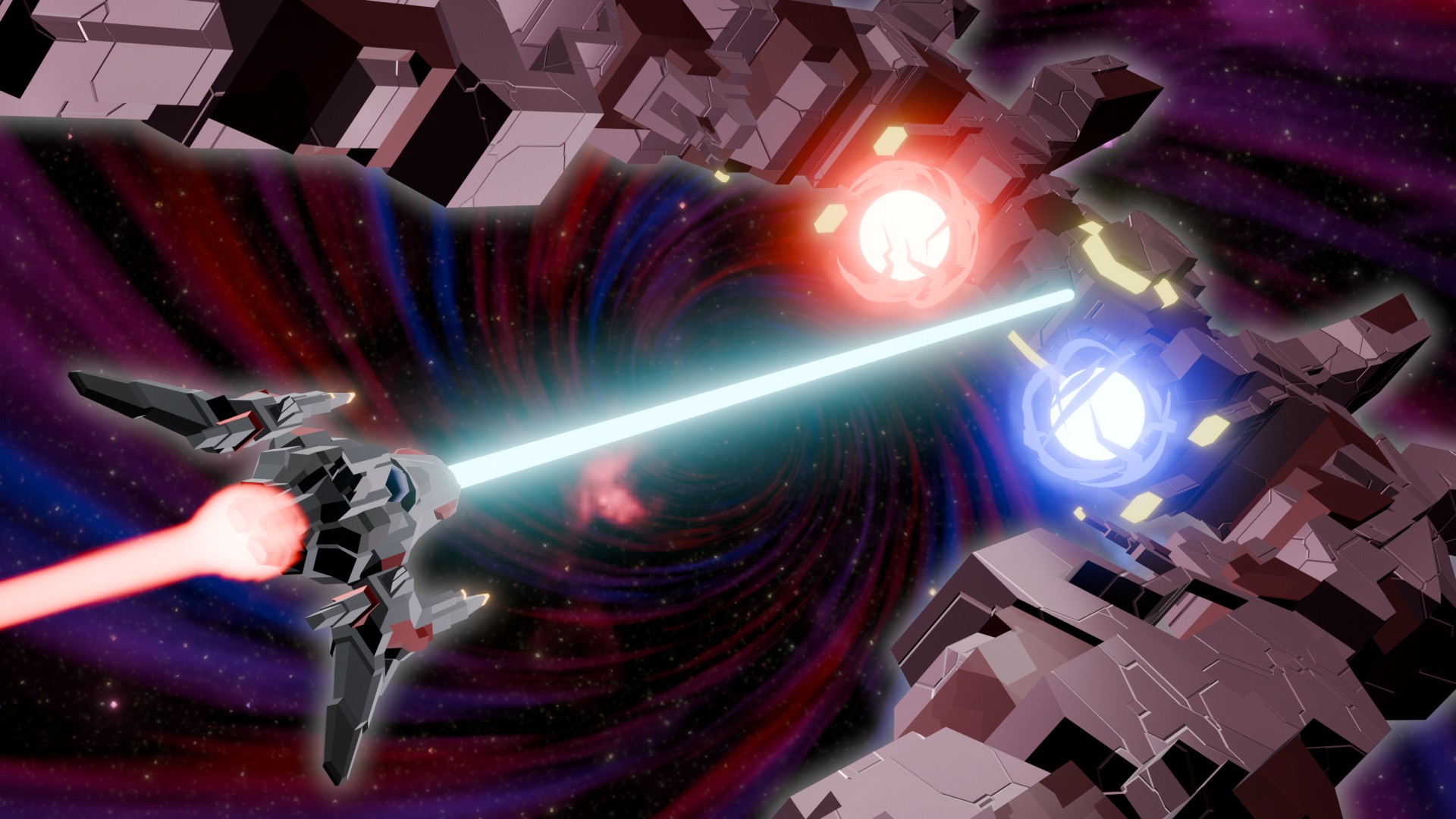
The decision by suppon to draw from both these legacies is a bold statement. It suggests an ambition to combine the strategic depth and methodical progression of Gradius with the dynamic weapon variety and intense action of Thunder Force. This fusion could potentially create a shmup that offers both thoughtful power-up management and exhilarating, fast-paced combat, appealing to a broad spectrum of genre aficionados.
Naoya Kamisaka’s Sonic Contribution
A pivotal element contributing to Spolous II‘s immersive atmosphere is its musical score, crafted by the accomplished composer Naoya Kamisaka. The developer has explicitly highlighted Kamisaka’s contribution, stating, "His passion for shoot ’em up games and creative musical style have greatly enriched the atmosphere of the game, bringing each stage and its world to life. I would like to express my sincere gratitude to Naoya Kamisaka for his outstanding work and generous contribution." This acknowledgement underscores the critical role of music in shmups, where a compelling soundtrack can significantly elevate the player’s experience, driving the action and enhancing the emotional impact of intense battles.
Kamisaka, known within the VGMDB community for his work, brings a wealth of experience and a distinct style to the project. In the shmup genre, soundtracks are not merely background noise; they are integral to the pacing, tension, and overall identity of a game. A well-composed shmup score often features high-energy electronic tracks, orchestral grandeur, or a blend of both, designed to keep players focused and energized through challenging stages. Kamisaka’s reported "passion for shoot ’em up games" likely translates into a deep understanding of what makes a shmup soundtrack effective, ensuring that Spolous II‘s audio experience complements its gameplay perfectly. This level of dedication from a professional composer, especially for a free doujin game, speaks volumes about the project’s quality and the collaborative spirit driving its development.
The Doujin Phenomenon and Indie Development
Spolous II is categorized as a "doujin shmup," a term that refers to independently developed, often fan-made, games originating predominantly from Japan. The doujin scene is a vibrant ecosystem where creators, driven by passion rather than commercial mandates, produce works that often rival or even surpass professional releases in quality and innovation. This movement is rooted in the broader Japanese doujin culture, encompassing self-published manga, music, and software. Doujin games are frequently distributed at events like Comiket or through online platforms such as itch.io, allowing creators direct access to their audience without traditional publishing hurdles.
The rise of platforms like itch.io has democratized game development and distribution, empowering individual creators and small teams like suppon to share their projects globally. This has led to a renaissance in niche genres like shmups, where mainstream publishers might shy away due to perceived market size. Doujin developers often fill this void, creating games that cater directly to the desires of dedicated fanbases, pushing creative boundaries and preserving classic gameplay sensibilities while introducing modern twists. The fact that Spolous II is offered for free aligns with the community-driven ethos of the doujin scene, where the primary goal is often to share a creation and receive feedback, building a community around the work.
The Free-to-Play Model and Community Engagement
The decision to release Spolous II for free is a significant strategic choice, especially given its apparent quality and the level of professional involvement (like Kamisaka’s music). While many independent games are sold, a free release can serve multiple purposes. Firstly, it drastically lowers the barrier to entry, encouraging a wider audience to try the game without financial commitment. This can lead to rapid community growth and organic word-of-mouth promotion, as exemplified by Crypticus’s social media post, which brought the game to wider attention. The initial reaction, encapsulated in phrases like "One of the best Gradius clones I’ve ever played" and "I Can’t Believe This Game Is Free," highlights the immediate positive impact of this model.
Secondly, a free release for an early version (0.5) allows the developer to gather extensive feedback from a diverse player base. This feedback can be invaluable for refining gameplay, identifying bugs, and shaping future content for the eventual full release. It transforms the player base into a de facto quality assurance and design input team, fostering a strong sense of community ownership and investment in the game’s development. This model is often seen in early access titles, but offering it entirely for free, especially for a polished experience, creates an even stronger incentive for engagement.
Future Prospects and Developer’s Vision
Looking ahead, suppon has outlined ambitious plans for Spolous II‘s full release, version 1.0, which is anticipated to arrive in 2028. This extended development timeline—a full five years from the initial 0.5 release—suggests a deep commitment to delivering a comprehensive and highly polished product. The planned features for version 1.0 include "Route B," which indicates a significant expansion of the game’s core content, likely introducing new stages, enemies, and boss encounters, effectively doubling the game’s narrative and gameplay scope.
Beyond new routes, version 1.0 will also introduce ship customization, a feature that could profoundly impact player engagement and strategic depth. Customization options might range from aesthetic changes to modifications that alter a ship’s performance, weapon loadout, or special abilities, allowing players to truly tailor their experience. This adds another layer of replayability and personalization, factors highly valued in modern gaming. Furthermore, the inclusion of a stage select and a practice mode will cater to both casual players and hardcore shmup enthusiasts. A stage select allows players to revisit favorite levels or practice specific challenging sections, while a dedicated practice mode is crucial for mastering difficult boss patterns and intricate bullet hell sequences, a common feature in high-level shmups.
The long-term vision for Spolous II, spanning several years, is indicative of a developer dedicated to crafting a definitive experience rather than rushing a product to market. This patient approach, combined with the free distribution of the early version, positions Spolous II not just as another indie shmup, but as a community-driven project with a clear, ambitious trajectory. The journey from version 0.5 to the anticipated 1.0 release in 2028 will be closely watched by the shmup community, eager to see how this promising fusion of Gradius and Thunder Force evolves.
Broader Impact and Implications
The emergence of Spolous II underscores several key trends within the gaming industry. Firstly, it highlights the continued vitality and innovation within the doujin game scene, demonstrating that independent creators can produce experiences that resonate deeply with niche audiences and offer production quality comparable to larger studios. This challenges the traditional perception of indie games as necessarily smaller or less polished.
Secondly, the game’s strategic blend of Gradius and Thunder Force mechanics exemplifies a growing trend of genre evolution through creative hybridization. By drawing on the strengths of established classics, developers like suppon are not merely cloning but reinterpreting and enriching beloved formulas, offering fresh perspectives on familiar gameplay loops. This approach can attract both nostalgic veterans and new players curious about the genre’s history and potential.
Finally, the free-to-play model for an early access, high-quality title like Spolous II sets an interesting precedent. It showcases a powerful method for community building, iterative development, and organic marketing that bypasses traditional publishing channels. In an increasingly crowded market, offering a compelling experience for free can be a highly effective way to gain traction and build a loyal fanbase, ultimately paving the way for potential future commercial success or sustained community support. Spolous II stands as a testament to the passion and creativity flourishing in the independent game development landscape, particularly within the dedicated world of shmups.