Vera Clarissa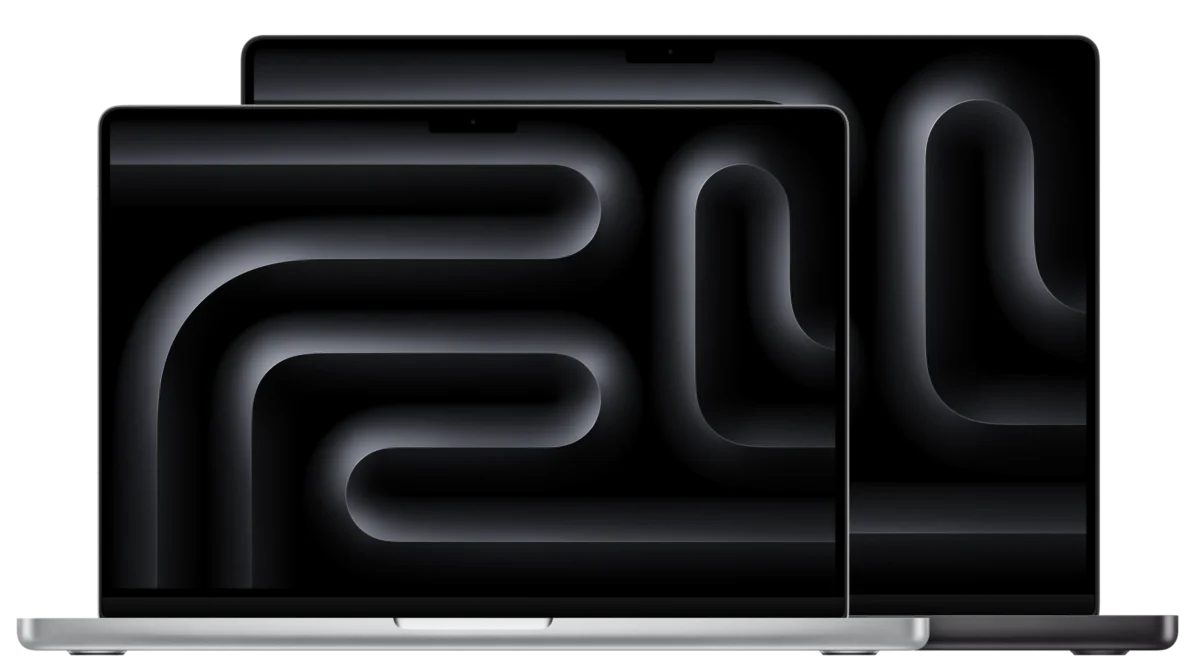
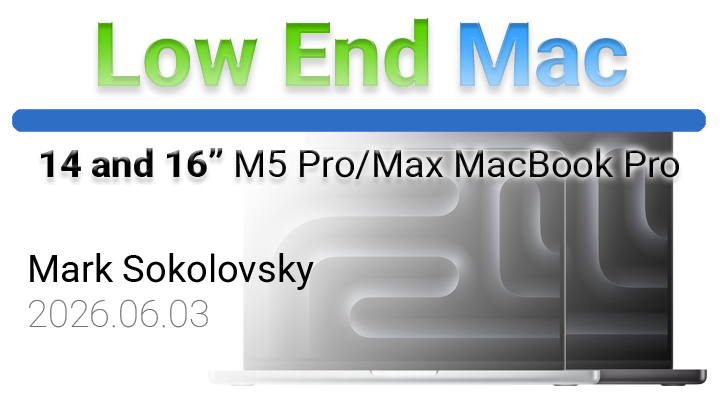
Apple has officially launched its highly anticipated M5 Pro and M5 Max MacBook Pro models, representing a significant leap forward in the company’s silicon-driven laptop lineup. These new machines build upon the foundational success of previous Apple Silicon generations, introducing enhanced processing power, increased core counts, and a notable rebranding of CPU core designations. The debut marks a pivotal moment for professional users and enthusiasts alike, promising unparalleled performance for demanding workflows.
The most prominent change within the M5 series lies in the nomenclature of its processing cores. In a strategic move that echoes previous product evolutions, Apple has rebranded the "Performance" cores found in earlier M-series chips to "Super Cores." This change, which has been retroactively applied to the M5 non-Pro chip as well, signifies a more potent and specialized processing capability. This shift in terminology aligns with Apple’s ongoing narrative of pushing the boundaries of on-device processing power.
Furthermore, mirroring the advancements seen in the iPhone 16e, the new M5 Pro and M5 Max MacBook Pros are equipped with Apple’s proprietary N1 wireless networking chip. This integrated component introduces a suite of cutting-edge wireless technologies to the Mac ecosystem, including Wi-Fi 7 (802.11be), Bluetooth 6, and thread networking capabilities. The inclusion of Wi-Fi 7, a standard offering significantly faster speeds and lower latency than its predecessors, will be particularly beneficial for professionals dealing with large file transfers and high-bandwidth applications. Bluetooth 6 promises enhanced connectivity for accessories, while thread networking opens up new possibilities for seamless smart home device integration and localized device-to-device communication.
Storage capacity has also seen a substantial upgrade. Both the 14-inch and 16-inch M5 Pro and M5 Max MacBook Pro models now start with a generous 1 TB of internal storage. This doubling of baseline storage compared to previous generations addresses a common concern for creative professionals and power users who often work with extensive media libraries and large project files. While the option for nano-texture displays remains, the overall package represents a compelling upgrade for those seeking the pinnacle of Apple’s laptop technology.
The Evolution of Apple Silicon: From M1 to M5
The journey of Apple Silicon in MacBooks began with the revolutionary M1 chip in late 2020. This marked Apple’s decisive shift away from Intel processors, promising significant gains in performance and power efficiency. The M1 chip, with its integrated CPU, GPU, and Neural Engine, set a new benchmark for what was possible in a laptop.

Subsequent generations, including the M1 Pro, M1 Max, M1 Ultra, and their M2 and M3 successors, progressively scaled up performance and capabilities. Each iteration introduced higher core counts, improved architectural designs, and enhanced graphics processing. The M5 series continues this trajectory, building on years of iterative refinement and innovation.
The renaming of performance cores to "Super Cores" is more than just a semantic change. It signifies a deeper architectural specialization within the M5 chip. While previous generations highlighted the balance between performance and efficiency cores, the "Super Core" designation implies a further optimization for peak computational tasks, likely with increased clock speeds, larger cache sizes, or enhanced instruction sets tailored for the most demanding professional applications. This strategic rebranding also serves to create a clearer distinction between the different tiers of Apple Silicon, allowing consumers to more easily understand the performance hierarchy.
Apple Intelligence: A Seamless Integration
A key highlight accompanying the M5 Pro and M5 Max MacBook Pros is the broader integration of "Apple Intelligence." This new suite of AI-powered features, designed to enhance user experience across Apple’s ecosystem, is now fully supported on any Mac equipped with Apple Silicon. This means that the M5 series, along with previous M-chip Macs, can leverage the full power of Apple Intelligence for tasks ranging from sophisticated writing assistance and image generation to more personalized and context-aware Siri interactions.

The availability of Apple Intelligence extends to iPads with M-series chips and iOS devices running iOS 18 and later, specifically those with an A17 Pro chip or newer (iPhone 15 Pro/Pro Max and all iPhone 16 models and beyond). This unified approach to AI ensures a consistent and powerful intelligent experience across the Apple hardware landscape, fostering a more cohesive and intuitive user interaction.
Core System Enhancements and Cache Architecture
The M5 Pro and M5 Max chips are designed with a sophisticated CPU core configuration. While specific details regarding the exact number of "Super Cores" and "Efficiency Cores" for each variant are typically unveiled by Apple in more technical documentation, the underlying architecture has been significantly refined.
CPU Core Naming Convention Evolution:
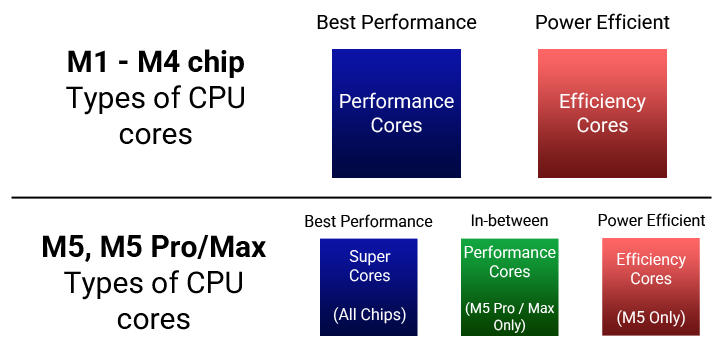
- Previous Generations: Performance Cores + Efficiency Cores
- M5 Series: Super Cores (formerly Performance Cores) + Efficiency Cores
This evolution suggests a focus on maximizing raw processing power for intensive tasks. The "Super Cores" are engineered to handle the most computationally demanding operations, such as video editing, 3D rendering, and complex simulations, with unparalleled speed. The "Efficiency Cores" continue to manage background tasks and less intensive operations, ensuring optimal power consumption and extended battery life.
Cache System:
All M5 chips share a common cache memory configuration within their CPUs, a testament to Apple’s unified design philosophy. This includes:
- L1 Instruction Cache (L1i): Crucial for fetching and decoding instructions.
- L1 Data Cache (L1d): Essential for storing and retrieving data that the CPU is actively working with.
- System Level Cache (SLC): A larger, shared cache that acts as a high-speed buffer between the CPU cores and main memory, reducing latency and improving overall system responsiveness.
While the precise sizes of these caches are subject to specific M5 Pro and M5 Max configurations, the consistent architecture across the M5 line ensures that all users benefit from optimized data access and rapid processing.
Enhanced Connectivity and Networking
The integration of the Apple N1 wireless networking chip marks a significant upgrade in connectivity for the MacBook Pro line.
- Wi-Fi 7 (802.11be): This next-generation Wi-Fi standard offers theoretical peak speeds up to 46 Gbps, a substantial increase over Wi-Fi 6/6E. For professionals, this translates to drastically faster downloads and uploads, smoother streaming of high-resolution content, and more responsive cloud-based workflows. Wi-Fi 7 also introduces improved efficiency and lower latency, which is critical for real-time collaboration and gaming.
- Bluetooth 6: While specific technical enhancements over Bluetooth 5.x are yet to be fully detailed, Bluetooth 6 is expected to offer improved range, higher data transfer rates, and enhanced power efficiency for connected peripherals. This will benefit users with multiple Bluetooth devices, from audio equipment to input devices and smart accessories.
- Thread Networking: Thread is a low-power, IP-based wireless networking protocol designed for smart home devices. Its inclusion in the MacBook Pro enables seamless integration with a wide range of Thread-enabled smart home products, allowing for more robust and reliable control and automation directly from the laptop.
Storage and Display
The doubling of base storage to 1 TB across all M5 Pro and M5 Max MacBook Pro models is a direct response to the increasing demands of modern digital workflows. Creative professionals, developers, and data scientists often contend with massive datasets and large project files, making ample storage a critical necessity. This upgrade significantly reduces the need for external storage solutions for many users.

The renowned Liquid Retina XDR display with ProMotion technology remains a cornerstone of the MacBook Pro experience. The nano-texture display option, which further reduces glare in brightly lit environments, continues to be available for those who require the absolute best in visual clarity and accuracy. These displays are celebrated for their exceptional brightness, contrast ratios, and P3 wide color gamut, making them ideal for color-critical work such as photo editing, video grading, and graphic design.
Battery Life and Power Management
Apple Silicon has consistently been lauded for its remarkable power efficiency, and the M5 Pro and M5 Max MacBook Pros are no exception. The company claims an impressive battery life of 16 to 17 hours for wireless web browsing and up to 24 hours of video streaming. This longevity is a testament to the synergistic design of the macOS operating system and the advanced power management capabilities of the M5 chips, allowing professionals to work unplugged for extended periods.
Closed Lid Mode: Enhanced Versatility
The MacBook Pro’s "closed lid" or "clamshell" mode continues to be a valuable feature for users who prefer a desktop-like setup. When a MacBook Pro is connected to an external display, AC adapter, and external input devices (mouse and keyboard), closing the lid will turn off the built-in display and dedicate all available video memory to the external monitor(s). This allows users to leverage the full power of their MacBook Pro as a desktop workstation without the need to keep the lid open. Resuming normal operation with the internal display is as simple as disconnecting the external peripherals and opening the lid.

Broader Impact and Implications
The introduction of the M5 Pro and M5 Max MacBook Pros signals Apple’s continued commitment to pushing the boundaries of personal computing performance. The enhanced processing power, combined with the new wireless technologies and increased storage, will undoubtedly empower professionals across a wide range of industries.
- Creative Professionals: Video editors, 3D animators, and graphic designers will benefit from faster rendering times, smoother playback of high-resolution footage, and the ability to handle more complex projects with greater ease.
- Developers: Software engineers and data scientists can expect quicker compilation times, more responsive development environments, and the capability to run more demanding simulations and machine learning models locally.
- Researchers and Academics: The increased performance will accelerate scientific research, data analysis, and complex computational tasks.
- Connectivity Enthusiasts: The adoption of Wi-Fi 7 and Bluetooth 6 positions the MacBook Pro as a forward-looking device, ready to take advantage of future advancements in wireless networking and peripheral technology.
The strategic renaming of CPU cores, while seemingly minor, reinforces Apple’s narrative of performance leadership and provides a clearer understanding of the chip’s capabilities. The seamless integration of Apple Intelligence across its hardware ecosystem further solidifies Apple’s vision of an intelligent and interconnected computing experience. As the M5 Pro and M5 Max MacBook Pros become available, they are poised to set a new standard for professional-grade laptops, offering a compelling blend of power, efficiency, and cutting-edge technology.